YOLO12
An attention-centric YOLO, five sizes from n to x on COCO's 80 classes, run through Ultralytics, which calls it a community model. AGPL-3.0.
Conditional for size n: code AGPL-3.0-only, weights AGPL-3.0-only. Measured on our RTX 4090: 14.9 ms median, 583 MiB VRAM peak. We scored it 40.3 box AP on COCO val2017. PyTorch weights, 5 MB.
Conditional for size s: code AGPL-3.0-only, weights AGPL-3.0-only. Measured on our RTX 4090: 15.3 ms median, 620 MiB VRAM peak. We scored it 47.4 box AP on COCO val2017. PyTorch weights, 18 MB.
Conditional for size m: code AGPL-3.0-only, weights AGPL-3.0-only. Measured on our RTX 4090: 16.1 ms median, 727 MiB VRAM peak. We scored it 51.9 box AP on COCO val2017. PyTorch weights, 39 MB.
Conditional for size l: code AGPL-3.0-only, weights AGPL-3.0-only. Measured on our RTX 4090: 22.7 ms median, 777 MiB VRAM peak. We scored it 53.2 box AP on COCO val2017. PyTorch weights, 51 MB.
Conditional for size x: code AGPL-3.0-only, weights AGPL-3.0-only. Measured on our RTX 4090: 23.2 ms median, 1.1 GiB VRAM peak. We scored it 54.6 box AP on COCO val2017. PyTorch weights, 114 MB.
License
Conditional
Conditional
Conditional
Conditional
Conditional
- Code
- AGPL-3.0-onlychecked 21 Nov 2026
- Weights
- AGPL-3.0-onlyall sizes, checked 21 Nov 2026
AGPL-3.0: shipping it in a product means releasing your source, unless you buy an Ultralytics Enterprise license.
AGPL-3.0: shipping it in a product means releasing your source, unless you buy an Ultralytics Enterprise license.
AGPL-3.0: shipping it in a product means releasing your source, unless you buy an Ultralytics Enterprise license.
AGPL-3.0: shipping it in a product means releasing your source, unless you buy an Ultralytics Enterprise license.
AGPL-3.0: shipping it in a product means releasing your source, unless you buy an Ultralytics Enterprise license.
On our RTX 4090, measured
14.9ms median
p90 15.7 ms, fp16, batch 1, 640x448
- VRAM peak
- 583 MiB
- Status
- Runs as is
Phases of one call
- Pre-processing
- 1.3 ms
- Network
- 10.0 ms
- Post-processing
- 1.0 ms
Split by the official package's own timer over 20 calls, with a synchronize after each phase. Its timer leaves out about 3.8 ms of the 16.0 ms call there, such as converting the input and building the result, so the phases don't add up to the median.
Environment, 22 Nov 2026
NVIDIA GeForce RTX 4090, driver 580.173.02, CUDA 13.0, torch 2.14.1+cu130, Python 3.12.9, ultralytics==8.4.189. Baseline 1031 MiB. 10 warm-up + 100 timed. Scope: predict(): pre-processing, forward pass and post-processing; input file decoded beforehand.
TensorRT fp16: 5.8 msour engine, measured
Accuracy
40.3box APmeasured
COCO val2017, box AP, 5,000 images, fp16, pycocotools==2.0.11 · 21 Nov 2026
Paper 40.6 COCO mAP50-95Ultralytics YOLO12 docs, detection performance table (mAPval 50-95)
15.3ms median
p90 15.9 ms, fp16, batch 1, 640x448
- VRAM peak
- 620 MiB
- Status
- Runs as is
Phases of one call
- Pre-processing
- 1.2 ms
- Network
- 10.1 ms
- Post-processing
- 1.0 ms
Split by the official package's own timer over 20 calls, with a synchronize after each phase. Its timer leaves out about 4.2 ms of the 16.6 ms call there, such as converting the input and building the result, so the phases don't add up to the median.
Environment, 22 Nov 2026
NVIDIA GeForce RTX 4090, driver 580.173.02, CUDA 13.0, torch 2.14.1+cu130, Python 3.12.9, ultralytics==8.4.189. Baseline 1065 MiB. 10 warm-up + 100 timed. Scope: predict(): pre-processing, forward pass and post-processing; input file decoded beforehand.
TensorRT fp16: 6.4 msour engine, measured
Accuracy
47.4box APmeasured
COCO val2017, box AP, 5,000 images, fp16, pycocotools==2.0.11 · 21 Nov 2026
Paper 48 COCO mAP50-95Ultralytics YOLO12 docs, detection performance table (mAPval 50-95)
16.1ms median
p90 16.6 ms, fp16, batch 1, 640x448
- VRAM peak
- 727 MiB
- Status
- Runs as is
Phases of one call
- Pre-processing
- 1.4 ms
- Network
- 11.5 ms
- Post-processing
- 1.1 ms
Split by the official package's own timer over 20 calls, with a synchronize after each phase. Its timer leaves out about 4.2 ms of the 18.1 ms call there, such as converting the input and building the result, so the phases don't add up to the median.
Environment, 22 Nov 2026
NVIDIA GeForce RTX 4090, driver 580.173.02, CUDA 13.0, torch 2.14.1+cu130, Python 3.12.9, ultralytics==8.4.189. Baseline 1059 MiB. 10 warm-up + 100 timed. Scope: predict(): pre-processing, forward pass and post-processing; input file decoded beforehand.
TensorRT fp16: 6.6 msour engine, measured
Accuracy
51.9box APmeasured
COCO val2017, box AP, 5,000 images, fp16, pycocotools==2.0.11 · 21 Nov 2026
Paper 52.5 COCO mAP50-95Ultralytics YOLO12 docs, detection performance table (mAPval 50-95)
22.7ms median
p90 24.0 ms, fp16, batch 1, 640x448
- VRAM peak
- 777 MiB
- Status
- Runs as is
Phases of one call
- Pre-processing
- 1.3 ms
- Network
- 18.0 ms
- Post-processing
- 1.0 ms
Split by the official package's own timer over 20 calls, with a synchronize after each phase. Its timer leaves out about 4.6 ms of the 24.8 ms call there, such as converting the input and building the result, so the phases don't add up to the median.
Environment, 22 Nov 2026
NVIDIA GeForce RTX 4090, driver 580.173.02, CUDA 13.0, torch 2.14.1+cu130, Python 3.12.9, ultralytics==8.4.189. Baseline 1059 MiB. 10 warm-up + 100 timed. Scope: predict(): pre-processing, forward pass and post-processing; input file decoded beforehand.
TensorRT fp16: 7.4 msour engine, measured
Accuracy
53.2box APmeasured
COCO val2017, box AP, 5,000 images, fp16, pycocotools==2.0.11 · 21 Nov 2026
Paper 53.7 COCO mAP50-95Ultralytics YOLO12 docs, detection performance table (mAPval 50-95)
23.2ms median
p90 24.2 ms, fp16, batch 1, 640x448
- VRAM peak
- 1.1 GiB
- Status
- Runs as is
Phases of one call
- Pre-processing
- 1.2 ms
- Network
- 17.9 ms
- Post-processing
- 1.0 ms
Split by the official package's own timer over 20 calls, with a synchronize after each phase. Its timer leaves out about 3.2 ms of the 23.3 ms call there, such as converting the input and building the result, so the phases don't add up to the median.
Environment, 22 Nov 2026
NVIDIA GeForce RTX 4090, driver 580.173.02, CUDA 13.0, torch 2.14.1+cu130, Python 3.12.9, ultralytics==8.4.189. Baseline 1063 MiB. 10 warm-up + 100 timed. Scope: predict(): pre-processing, forward pass and post-processing; input file decoded beforehand.
TensorRT fp16: 8.3 msour engine, measured
Accuracy
54.6box APmeasured
COCO val2017, box AP, 5,000 images, fp16, pycocotools==2.0.11 · 21 Nov 2026
Paper 55.2 COCO mAP50-95Ultralytics YOLO12 docs, detection performance table (mAPval 50-95)
Weights
PyTorch
- Size
- 5 MB
- sha256
419ff3dca37d69bacc93a50fa0c186a1c6f9fe62fae0f108b0872829689e9ca6
PyTorch
- Size
- 18 MB
- sha256
e915c2c4286e3f6f8610ef106fa3f94a7b8c19b30eccede5887e22c33ef75f58
PyTorch
- Size
- 39 MB
- sha256
4c6d179786eddf6134ee469ae2f4ce04cbe4e9d1a47d6b669d9cd6b9c6c513d8
PyTorch
- Size
- 51 MB
- sha256
0babd8dc8f775bb64bb052debdff3d8b9e9b57efa9d7bfa11c84bb82c3fec336
PyTorch
- Size
- 114 MB
- sha256
682ce8dadee004dbe964950f1bf3eda451671815a6ed62db80b398916b9b7c6f
Outputs on the shared test photos
Same photos and one score threshold for every model of this task. Failures are marked.
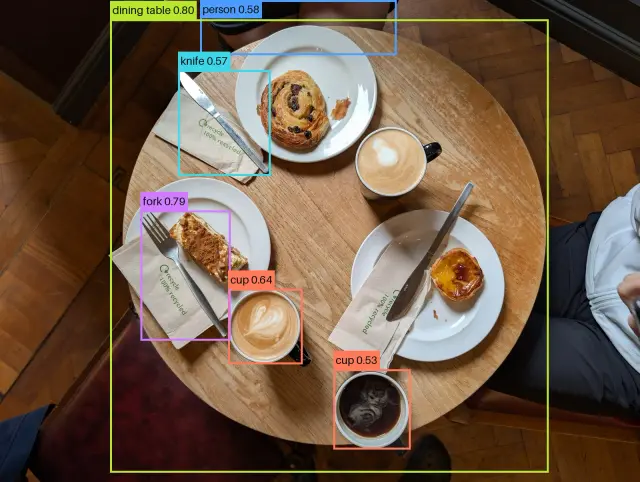 breakfast-top-downFails: misses a latte cup, a knife and all the pastries
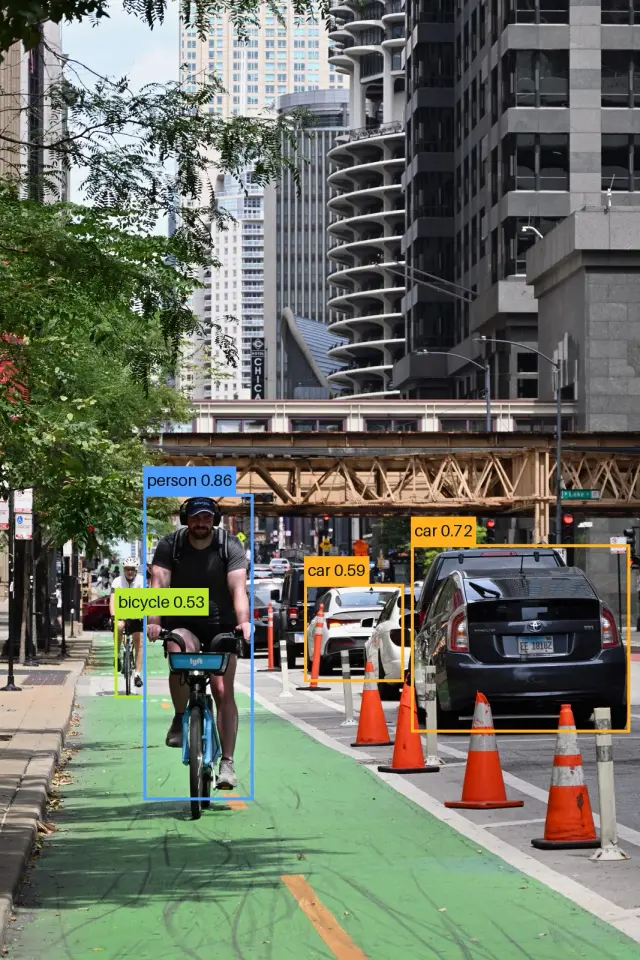 cyclist-bike-laneFails: misses the bicycle under the lead cyclist
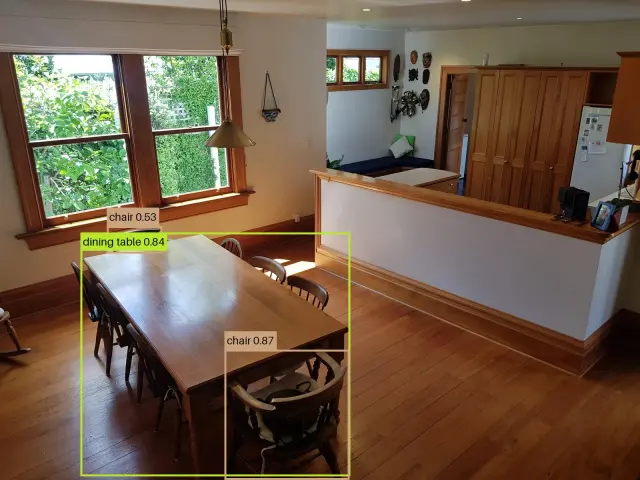 dining-room-kitchenFails: misses most of the chairs
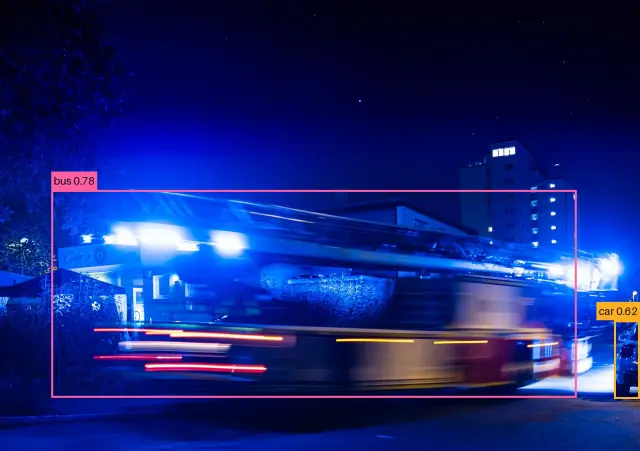 fire-engine-blurFails: labels the fire engine as a bus
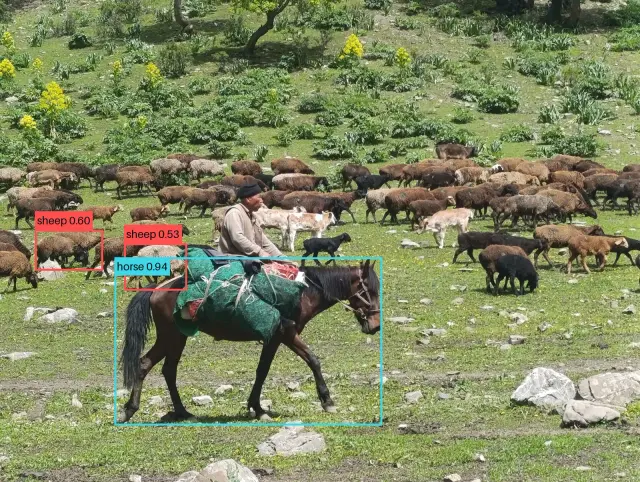 shepherd-sheepFails: misses the rider and nearly the whole flock
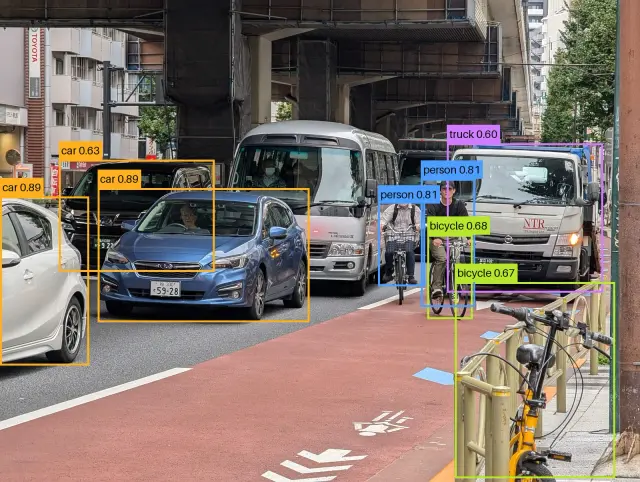 tokyo-street-cyclistsFails: misses the minibus
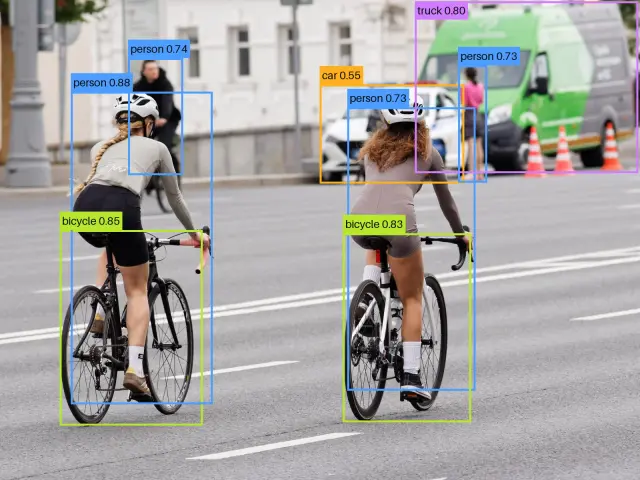 bike-parade-riders
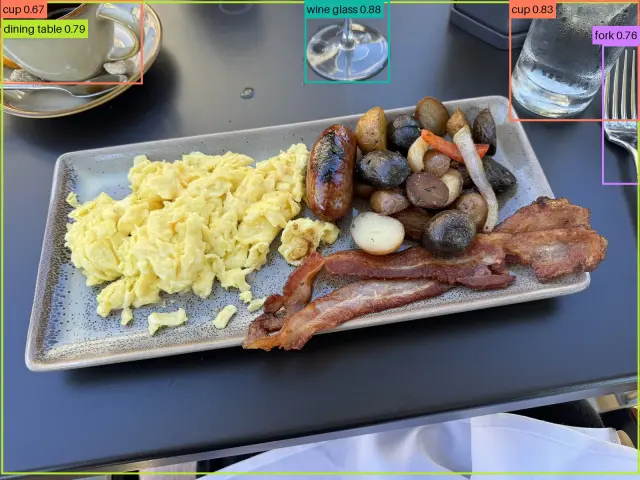 cafe-table-glasses
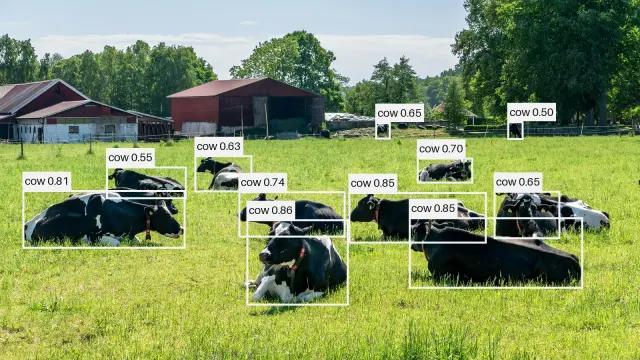 cows-pasture
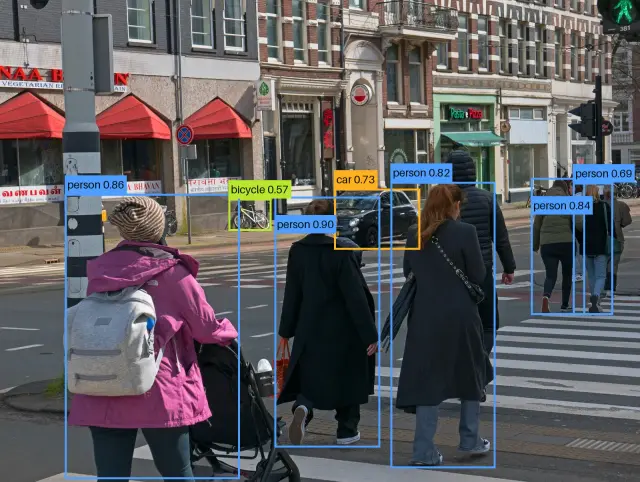 crossing-amsterdam
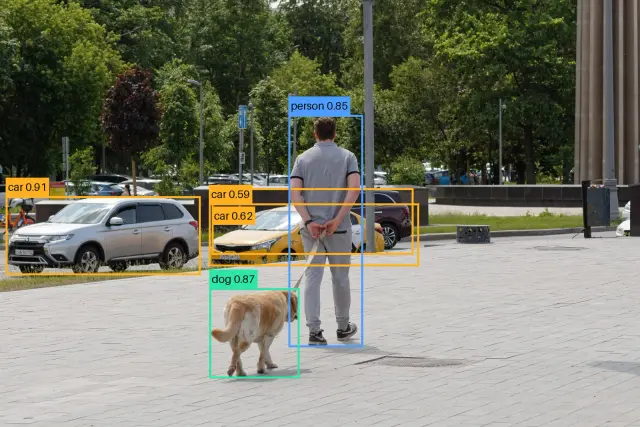 dog-walk-square
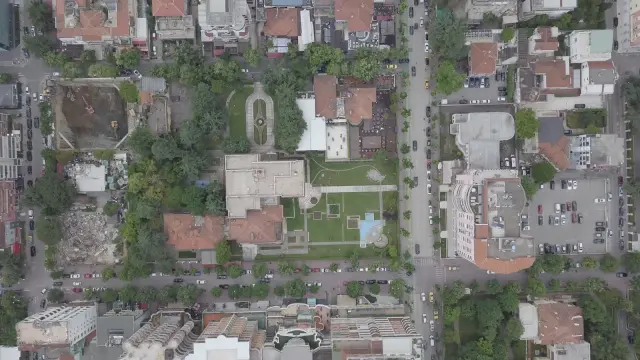 drone-city-block
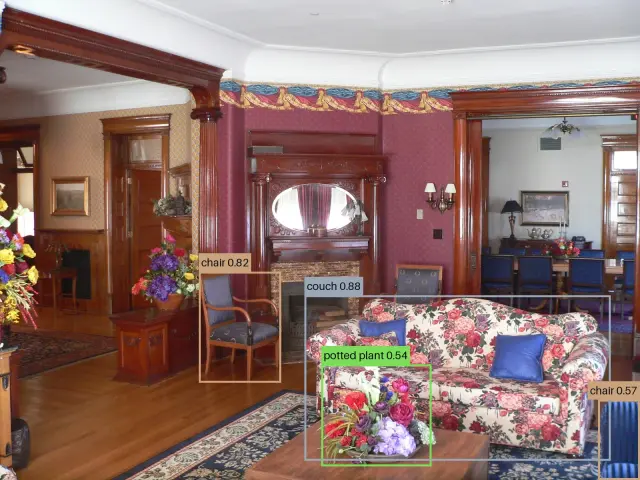 living-room-couch
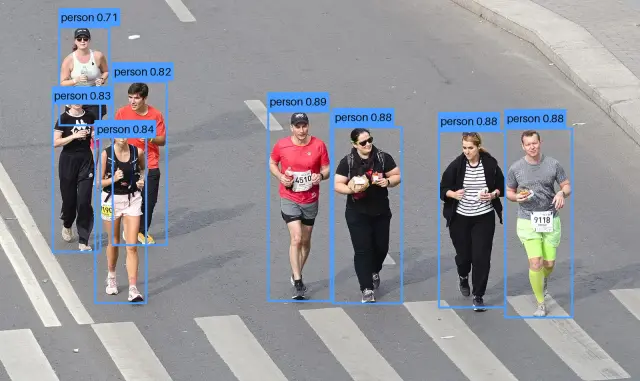 marathon-crossing
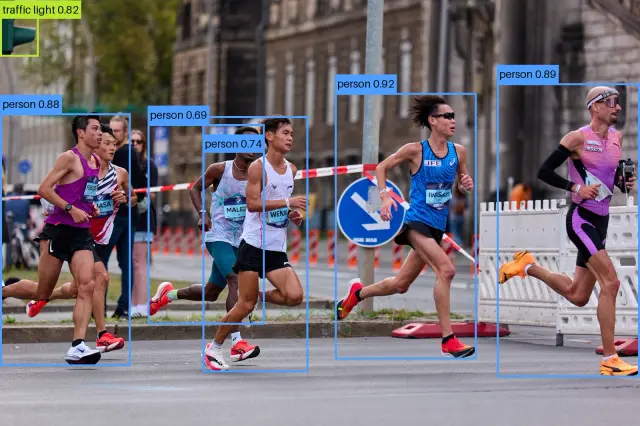 marathon-pack
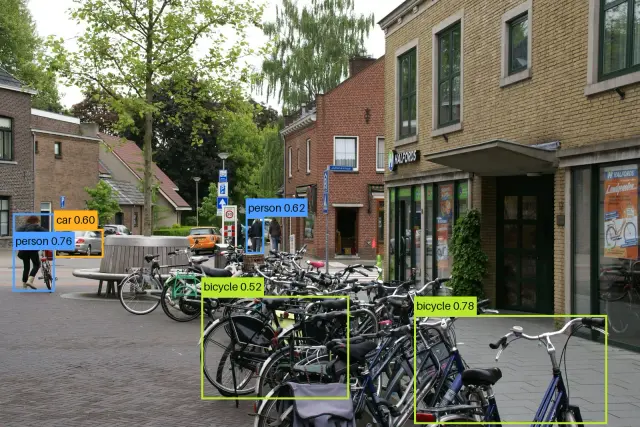 parked-bicycles
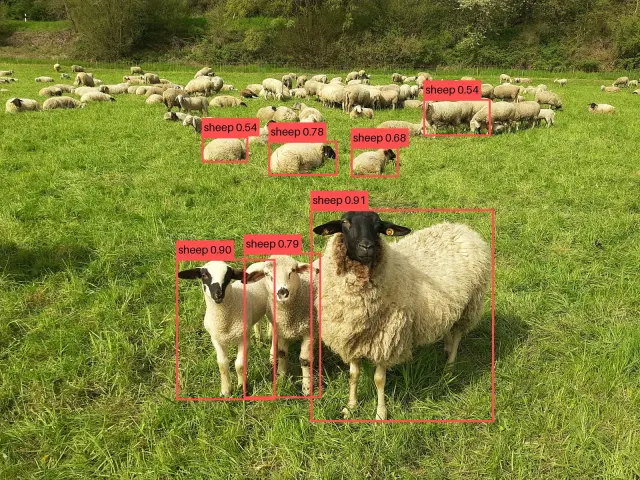 sheep-meadow-lambs
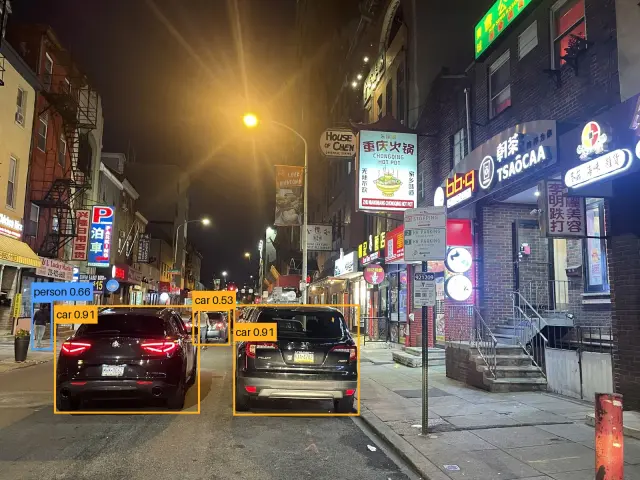 street-night-chinatown
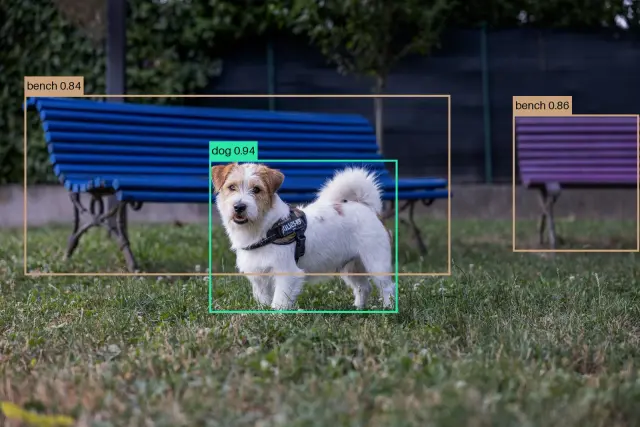 terrier-dog-park
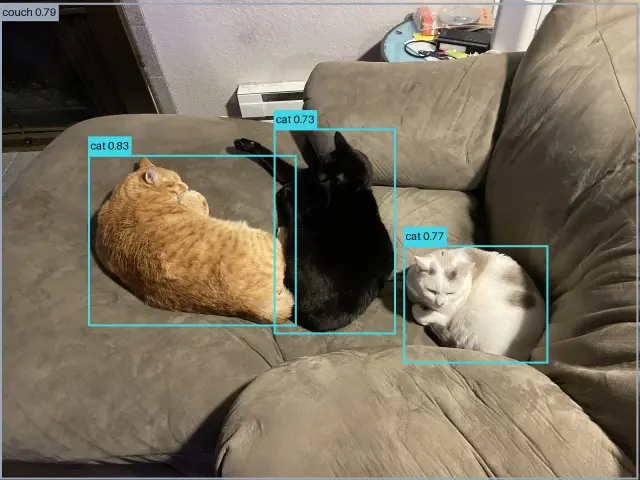 three-cats-couch
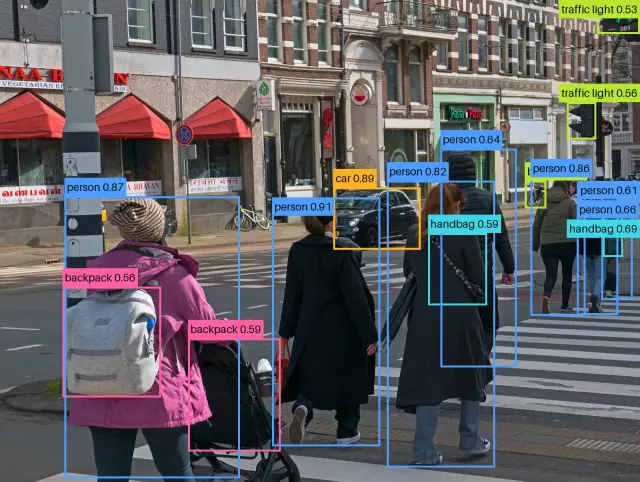 crossing-amsterdamFails: labels the stroller as a backpack
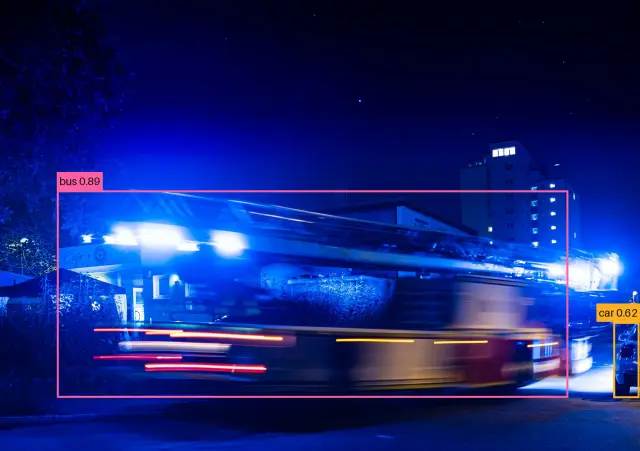 fire-engine-blurFails: labels the fire engine as a bus
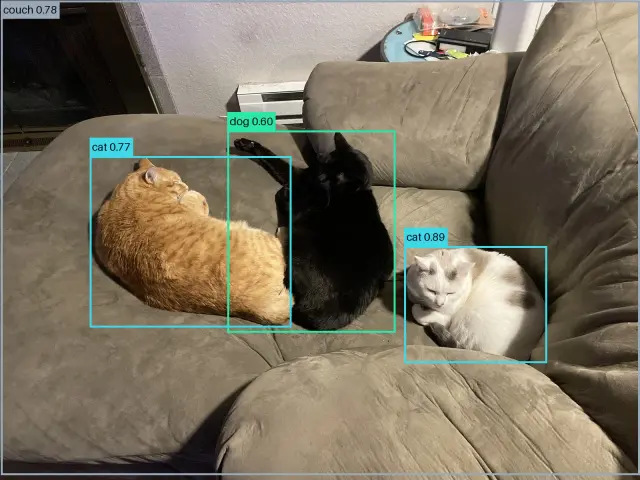 three-cats-couchFails: labels the black cat as a dog
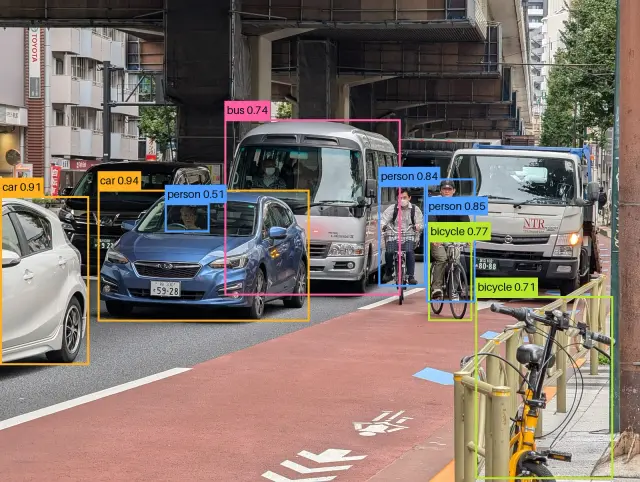 tokyo-street-cyclistsFails: misses the white truck on the right
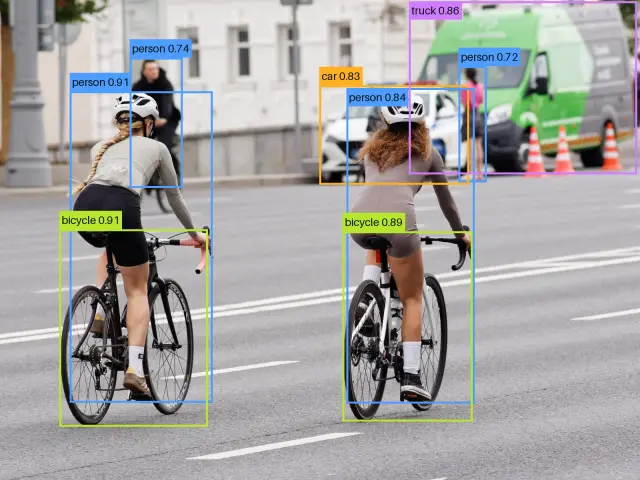 bike-parade-riders
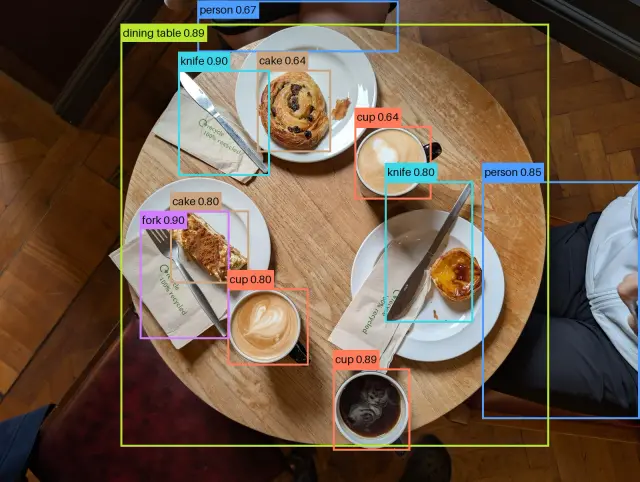 breakfast-top-down
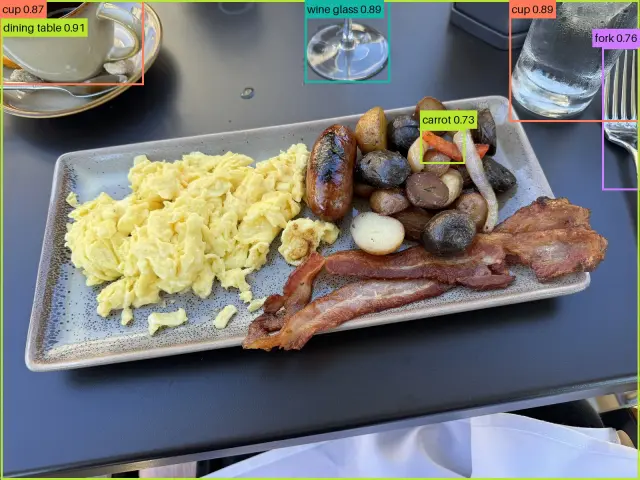 cafe-table-glasses
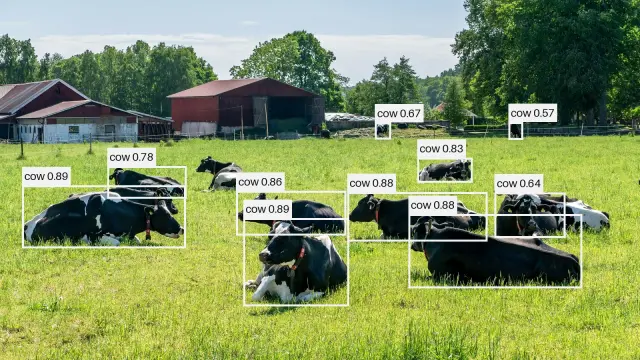 cows-pasture
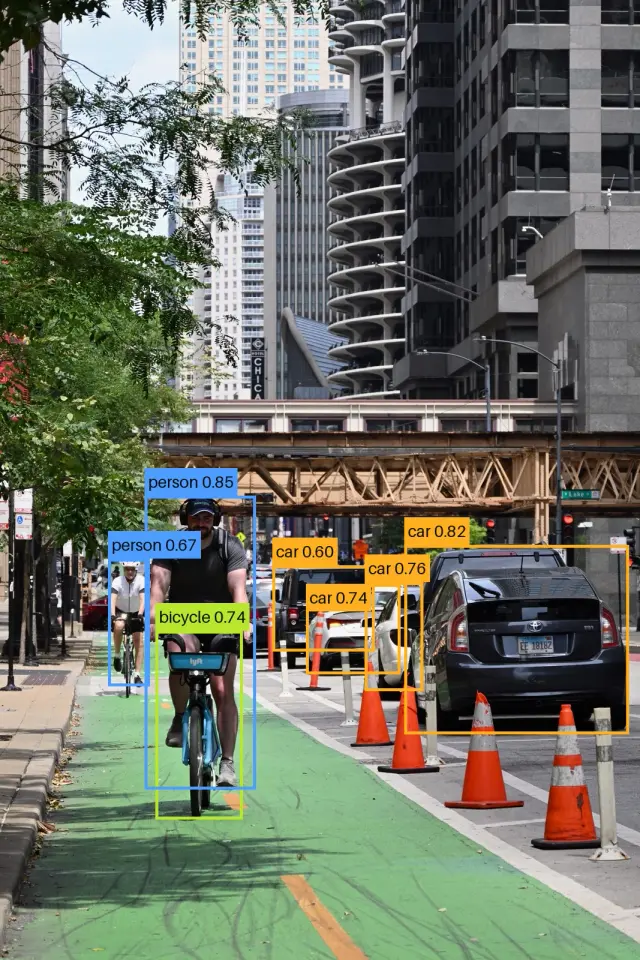 cyclist-bike-lane
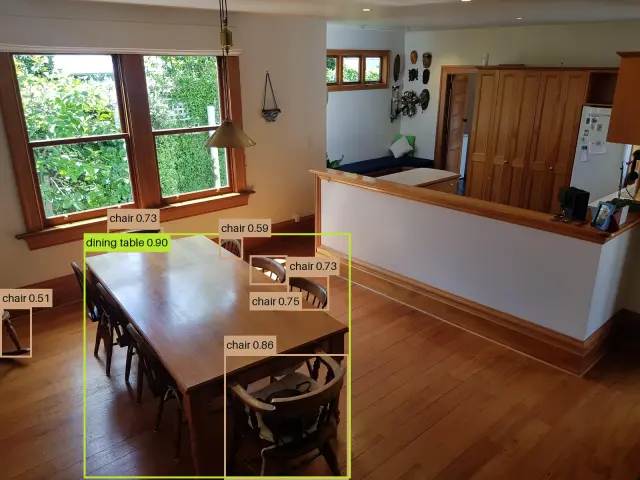 dining-room-kitchen
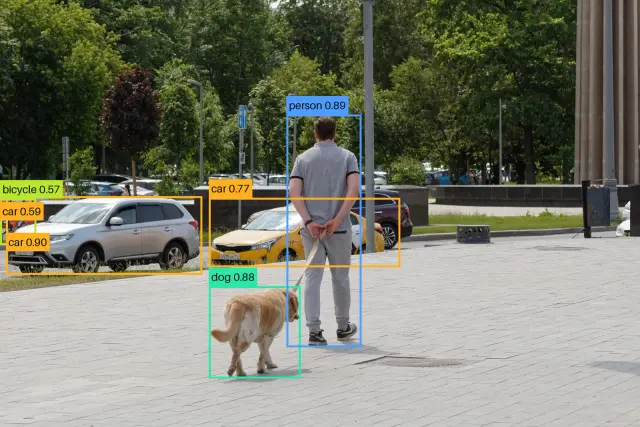 dog-walk-square
- drone-city-block
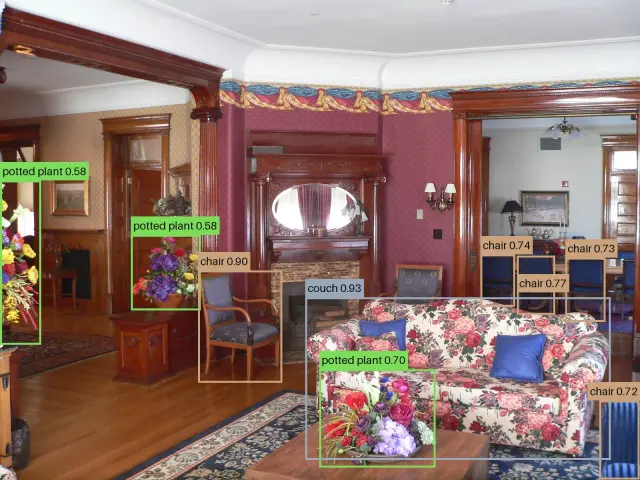 living-room-couch
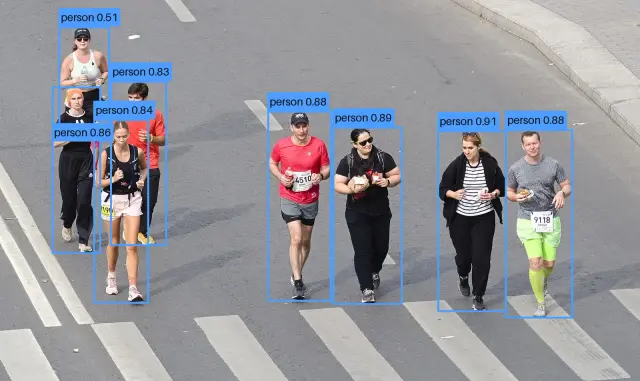 marathon-crossing
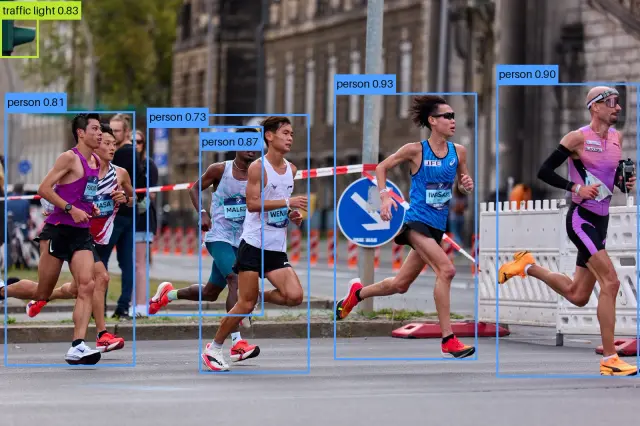 marathon-pack
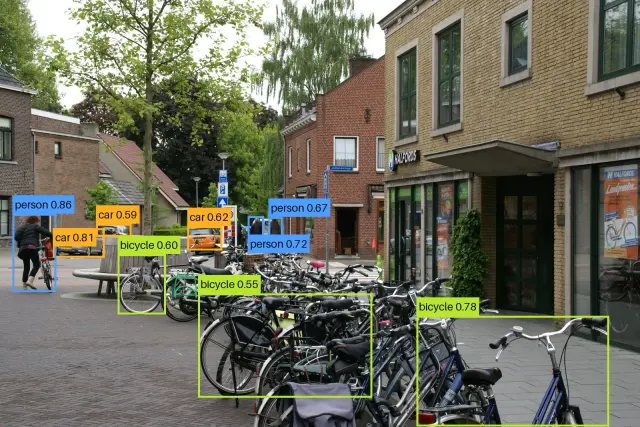 parked-bicycles
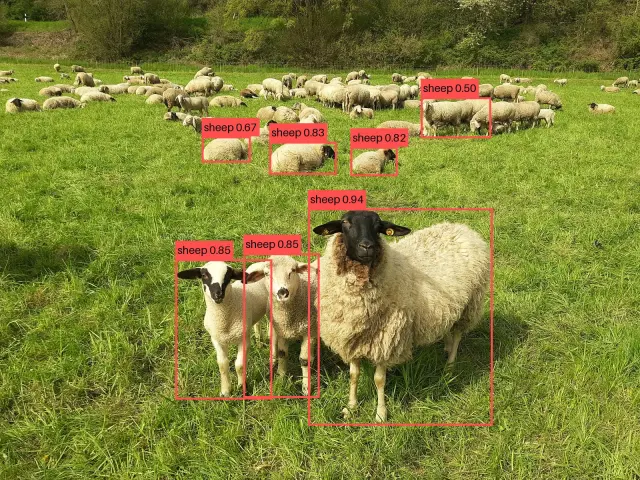 sheep-meadow-lambs
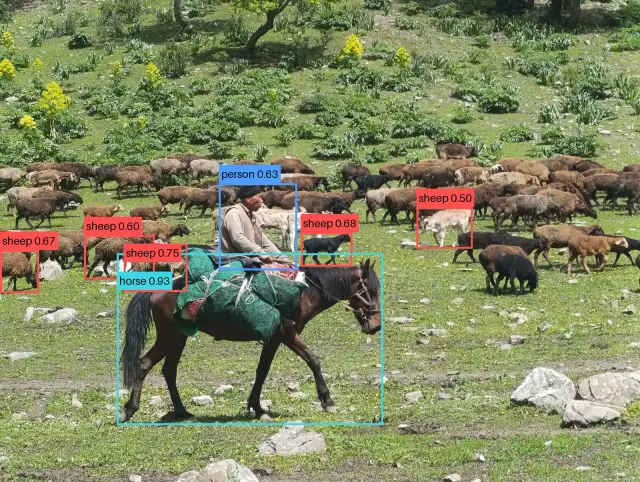 shepherd-sheep
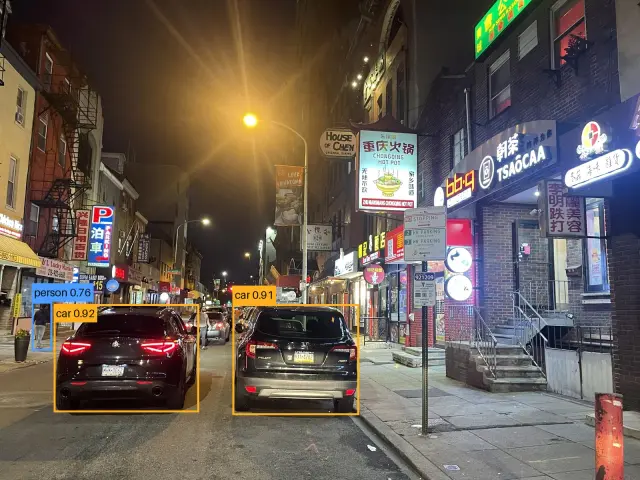 street-night-chinatown
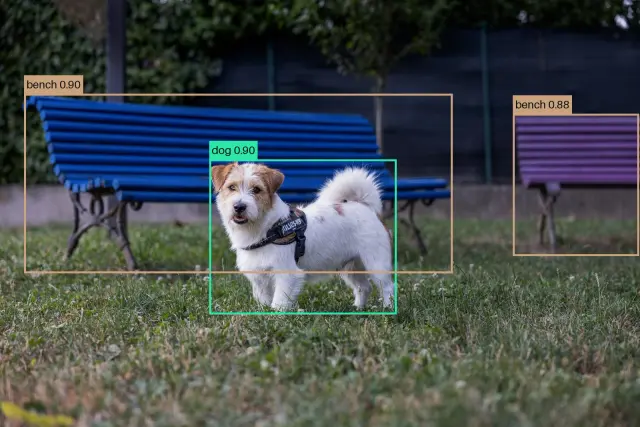 terrier-dog-park
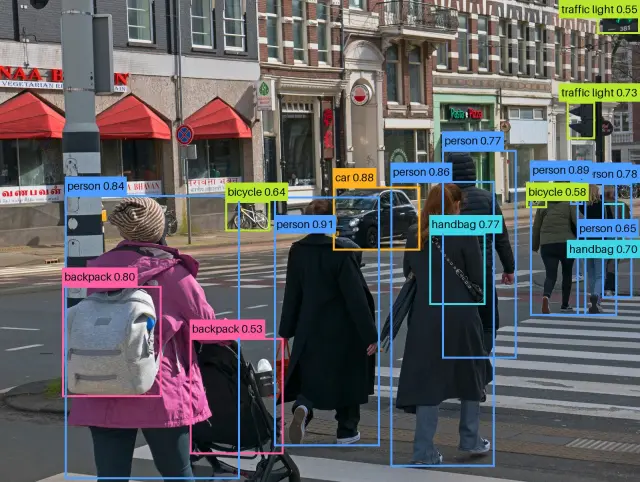 crossing-amsterdamFails: labels the stroller as a backpack
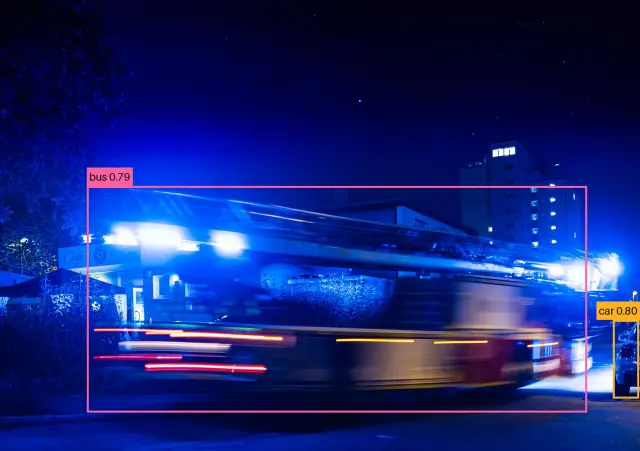 fire-engine-blurFails: labels the fire engine as a bus
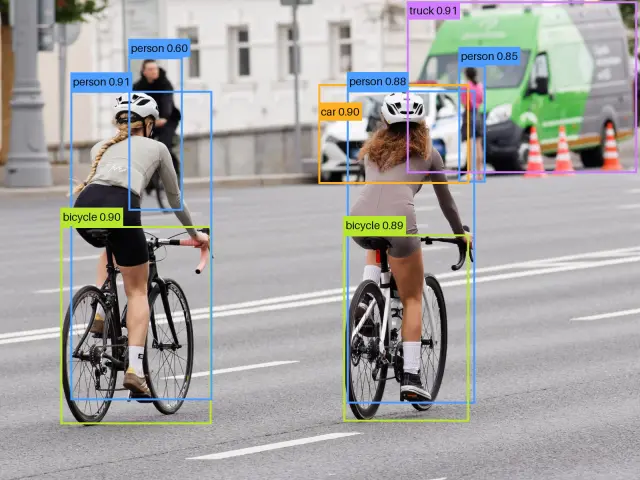 bike-parade-riders
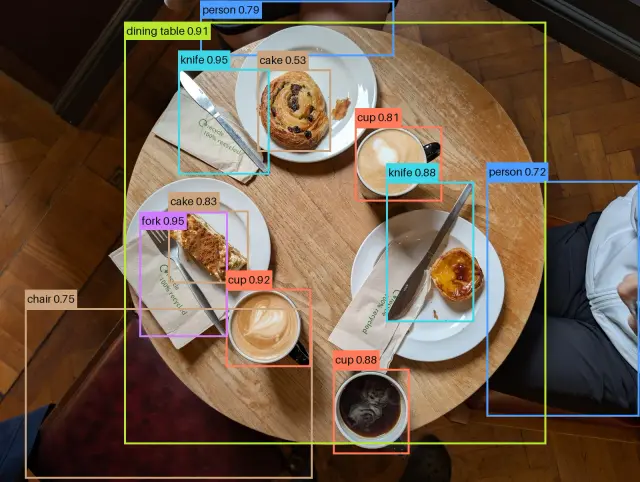 breakfast-top-down
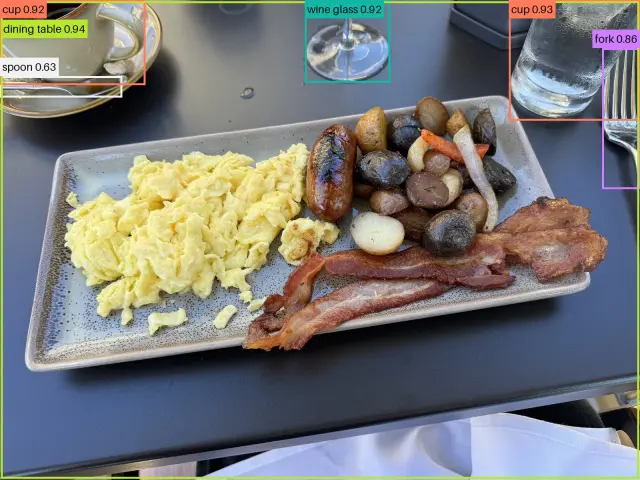 cafe-table-glasses
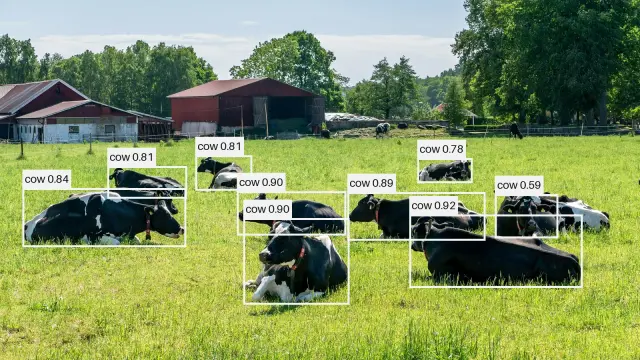 cows-pasture
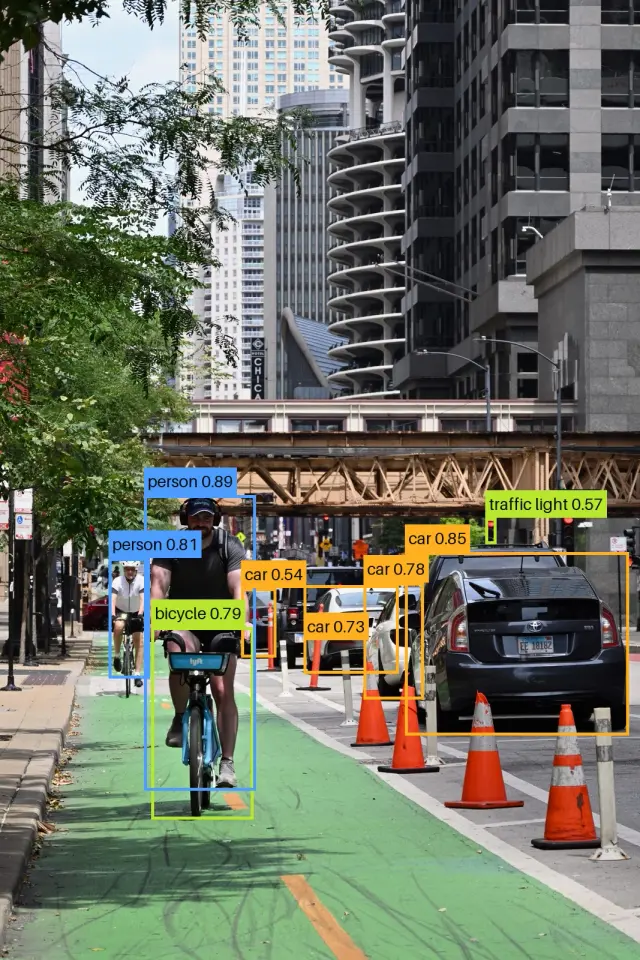 cyclist-bike-lane
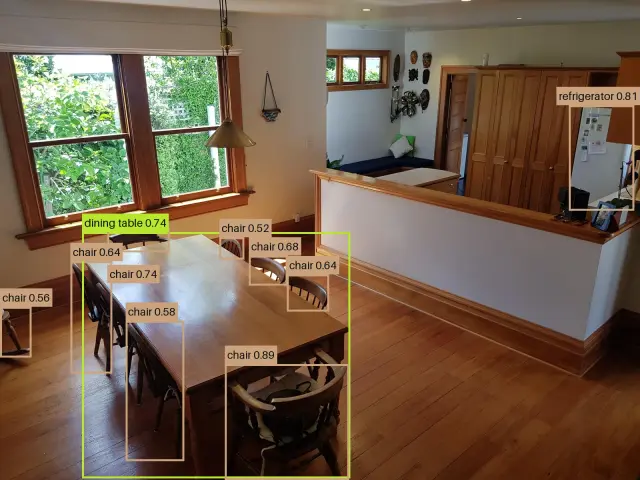 dining-room-kitchen
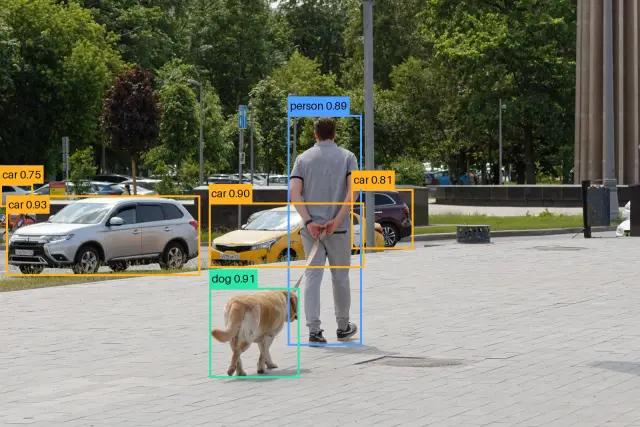 dog-walk-square
- drone-city-block
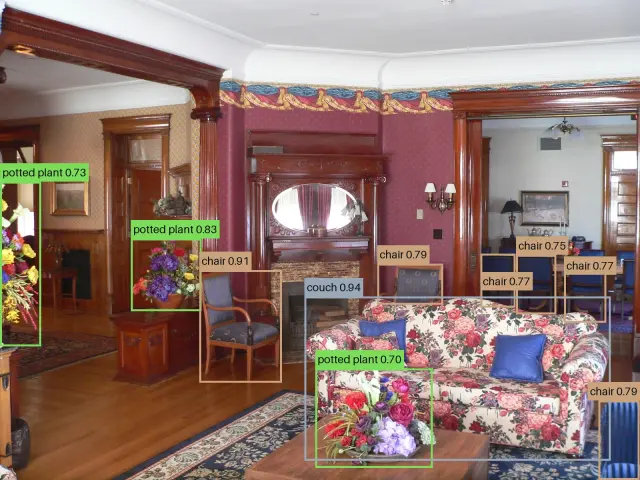 living-room-couch
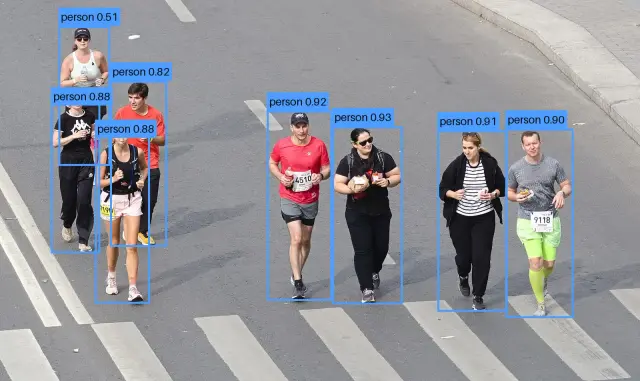 marathon-crossing
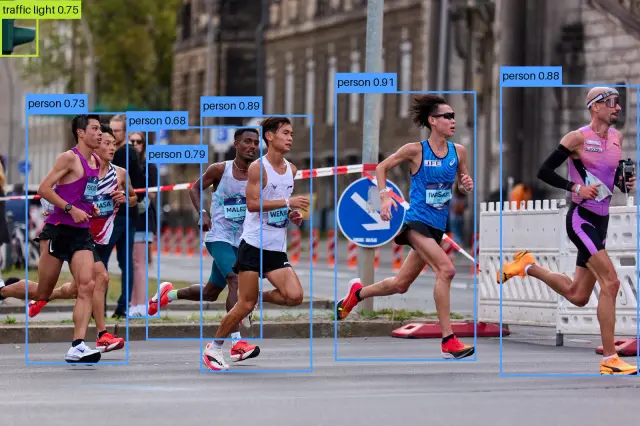 marathon-pack
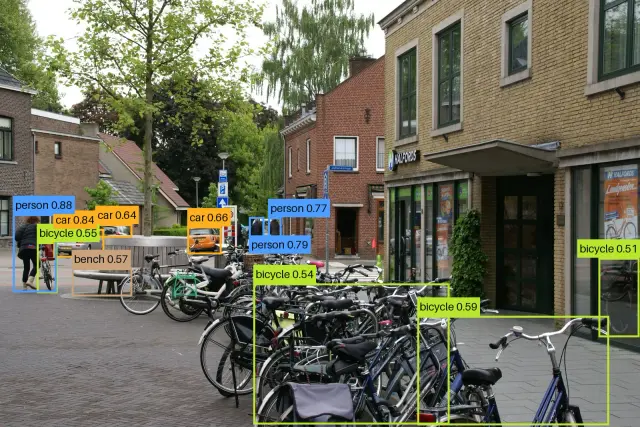 parked-bicycles
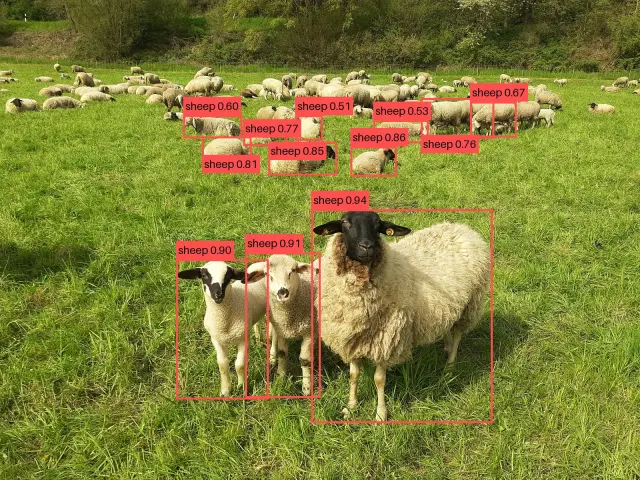 sheep-meadow-lambs
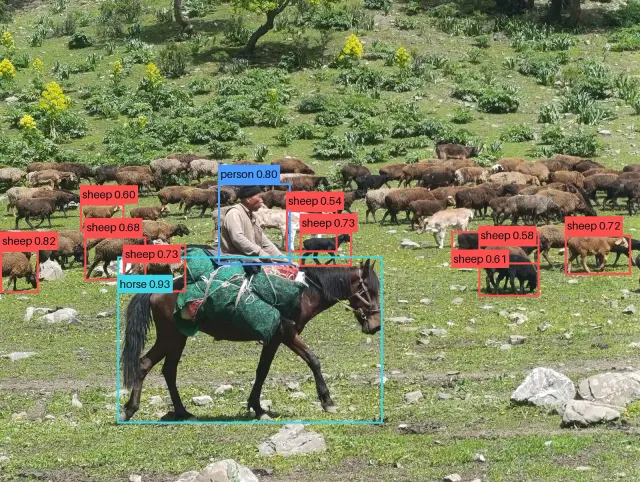 shepherd-sheep
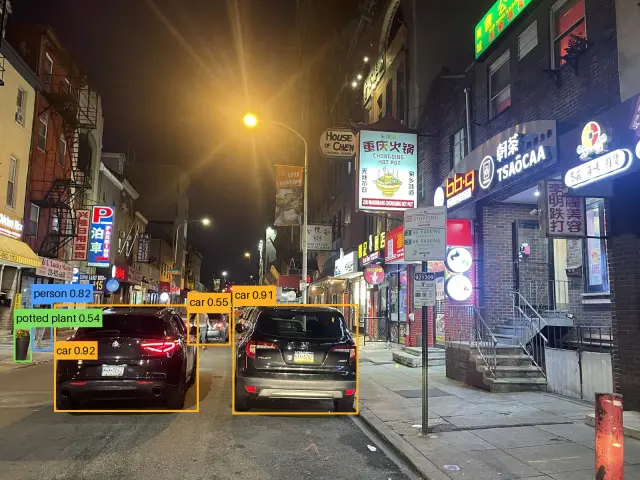 street-night-chinatown
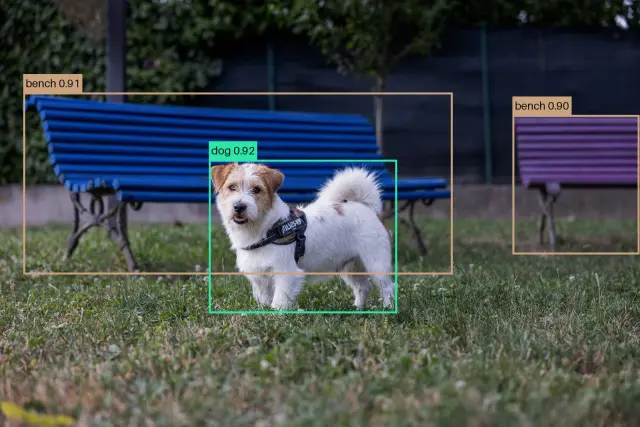 terrier-dog-park
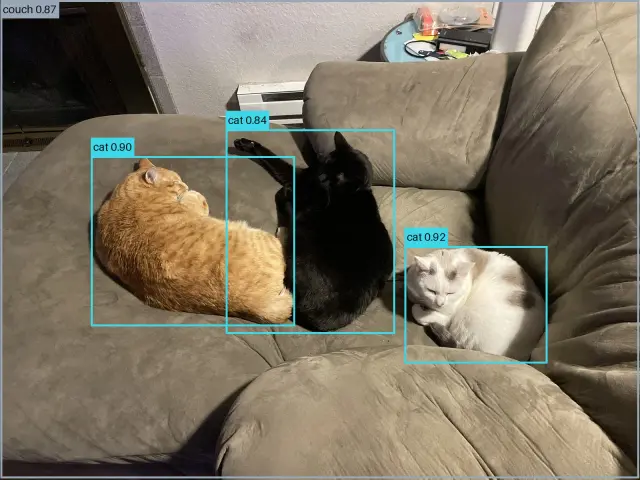 three-cats-couch
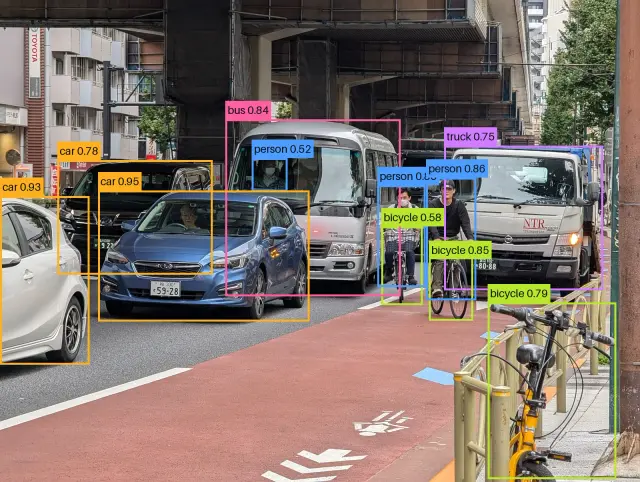 tokyo-street-cyclists
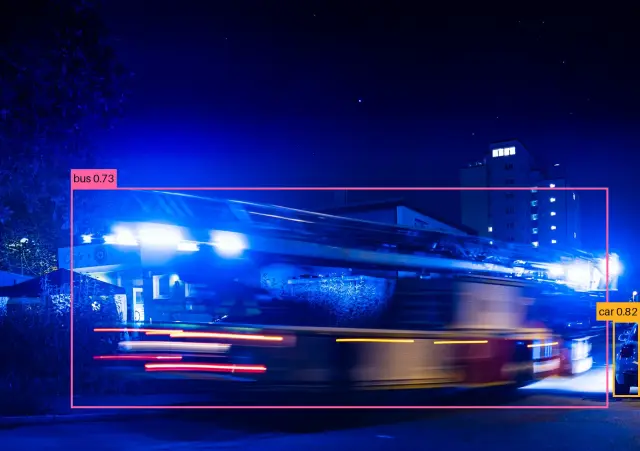 fire-engine-blurFails: labels the fire engine as a bus
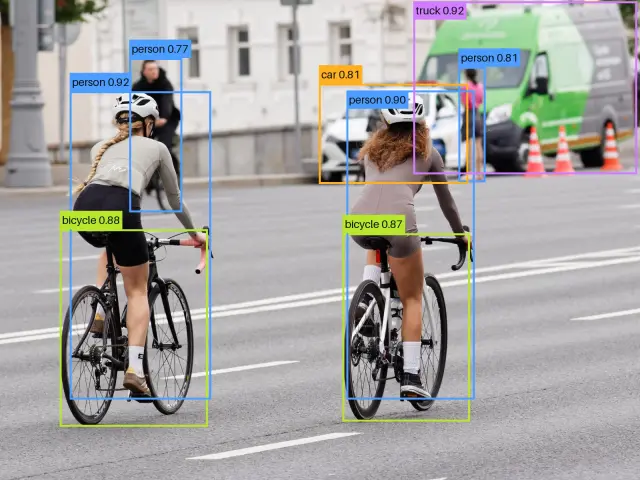 bike-parade-riders
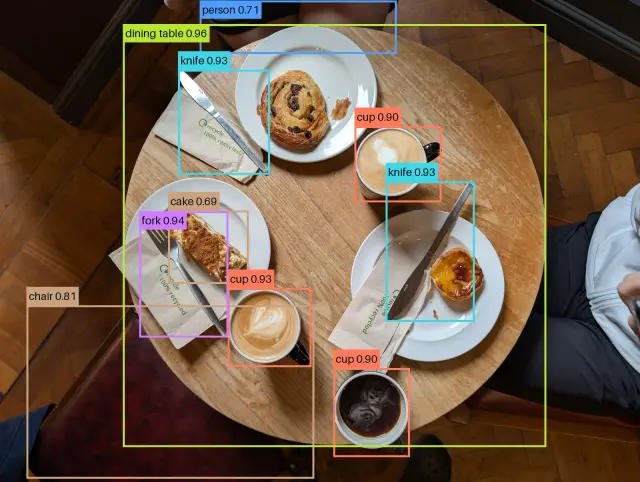 breakfast-top-down
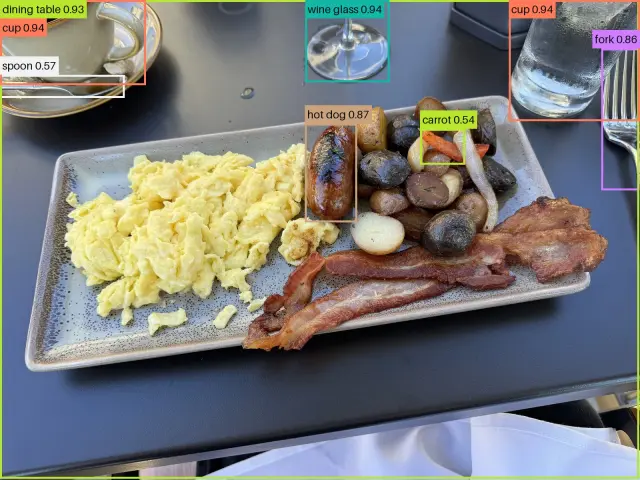 cafe-table-glasses
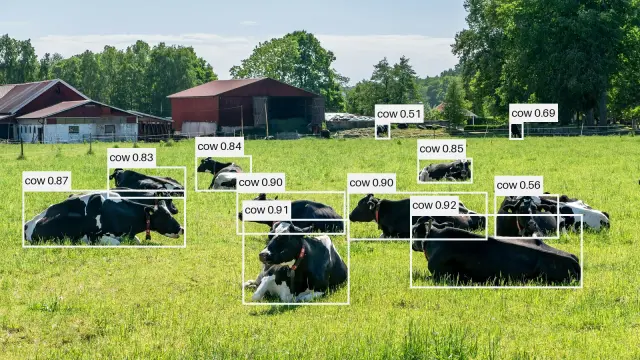 cows-pasture
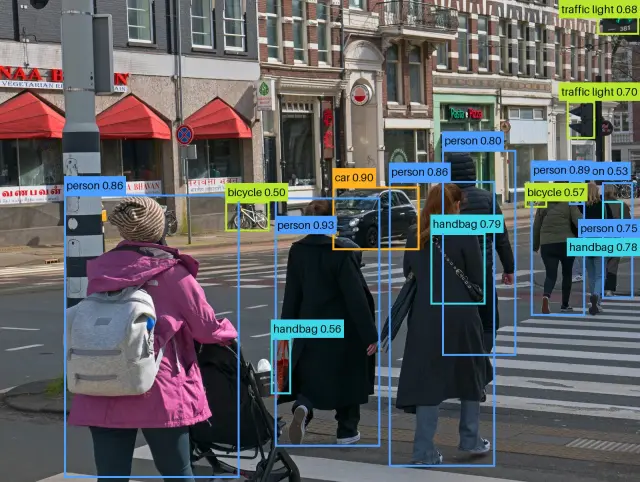 crossing-amsterdam
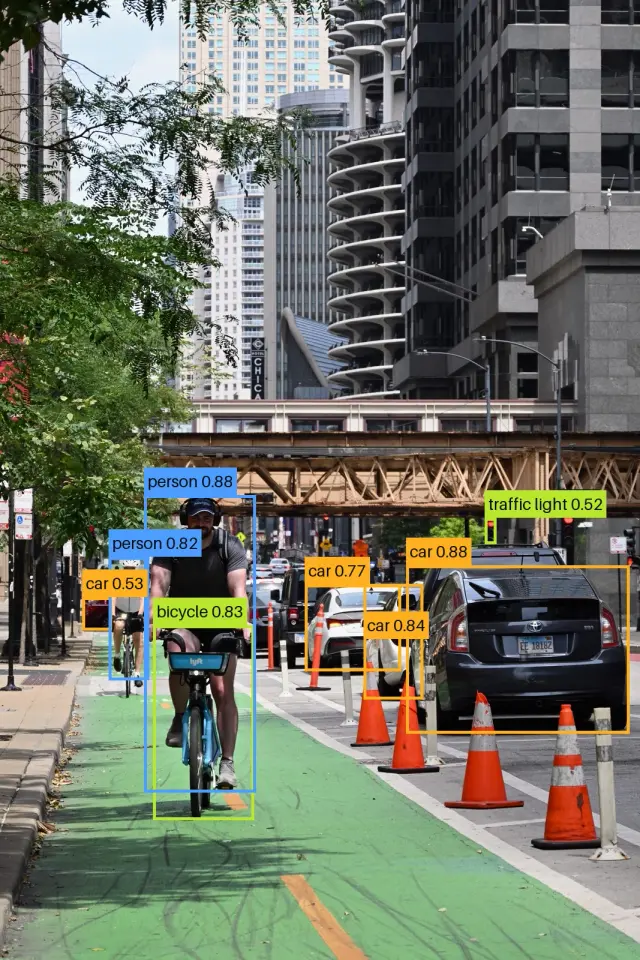 cyclist-bike-lane
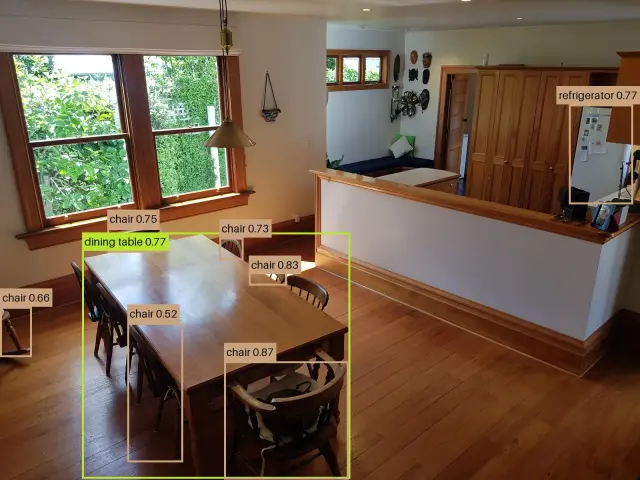 dining-room-kitchen
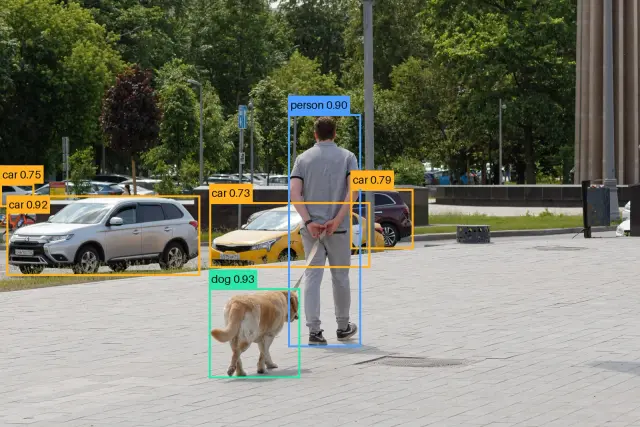 dog-walk-square
- drone-city-block
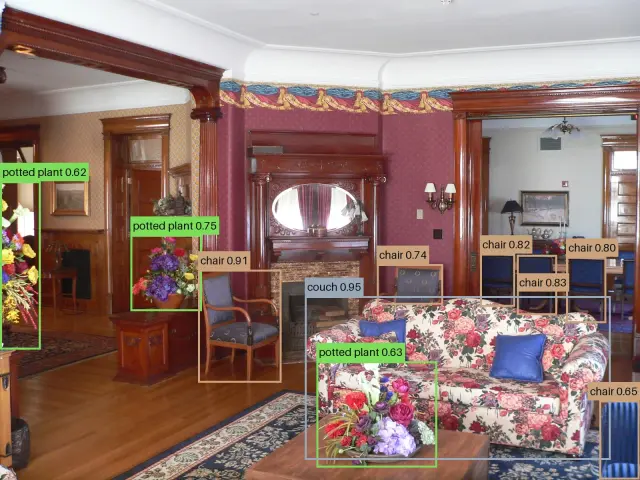 living-room-couch
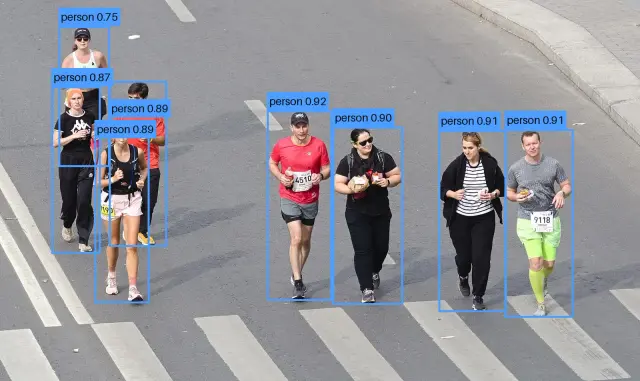 marathon-crossing
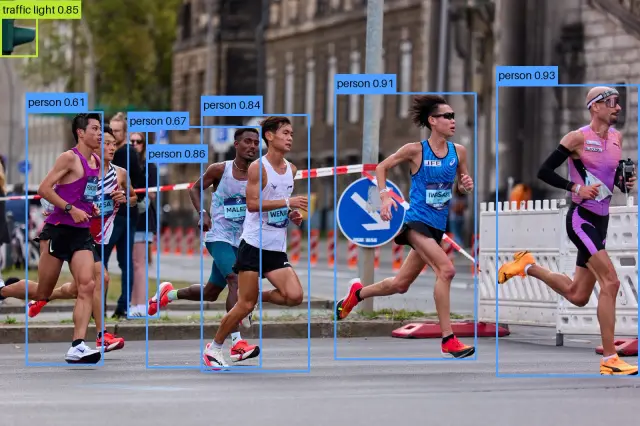 marathon-pack
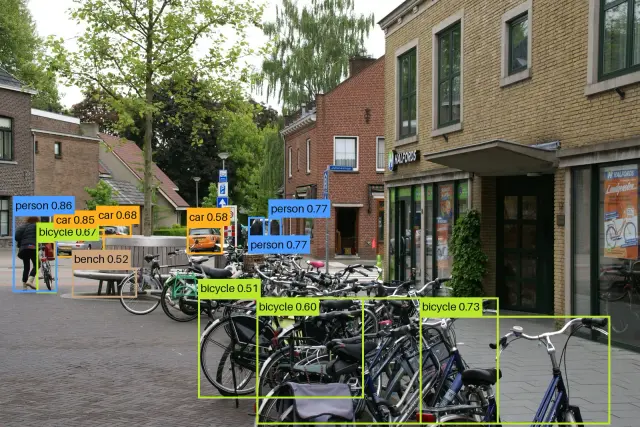 parked-bicycles
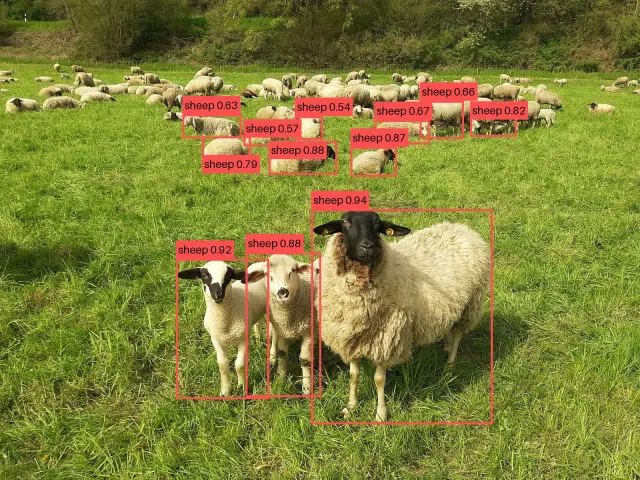 sheep-meadow-lambs
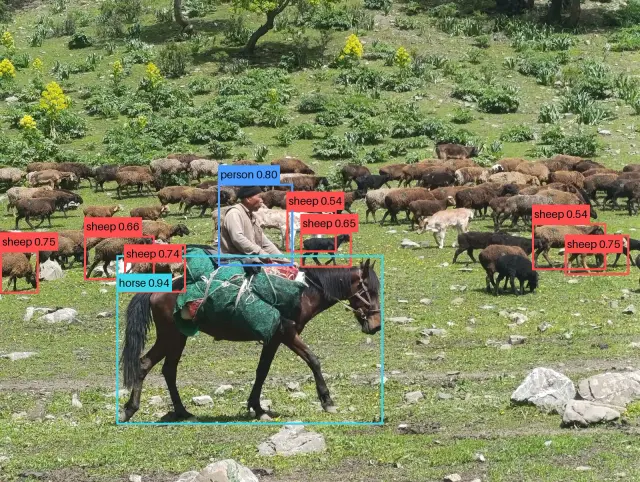 shepherd-sheep
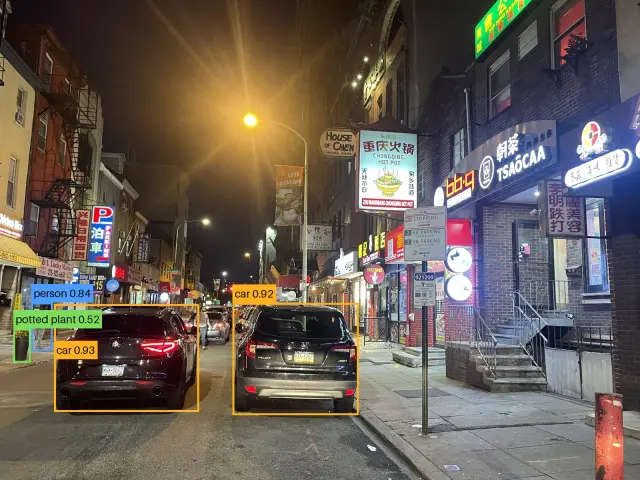 street-night-chinatown
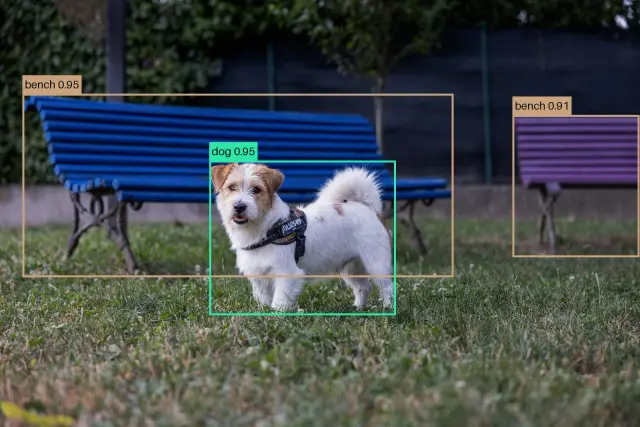 terrier-dog-park
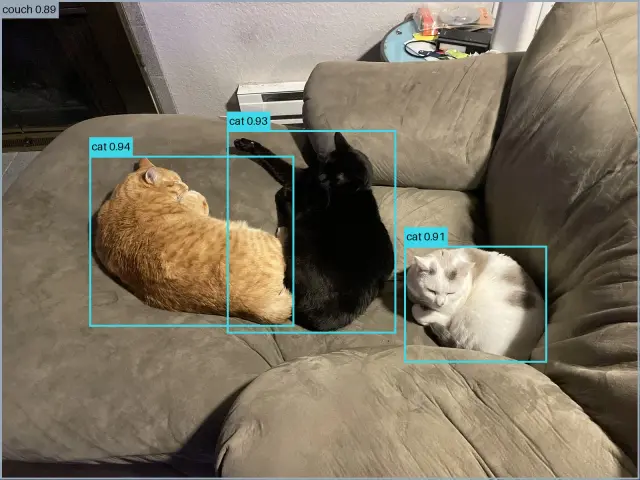 three-cats-couch
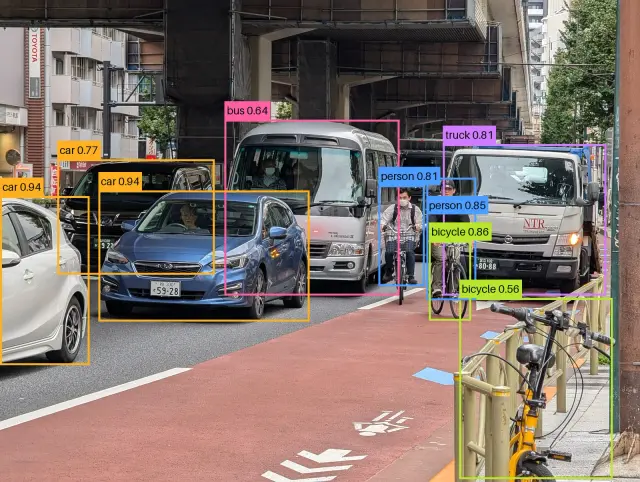 tokyo-street-cyclists
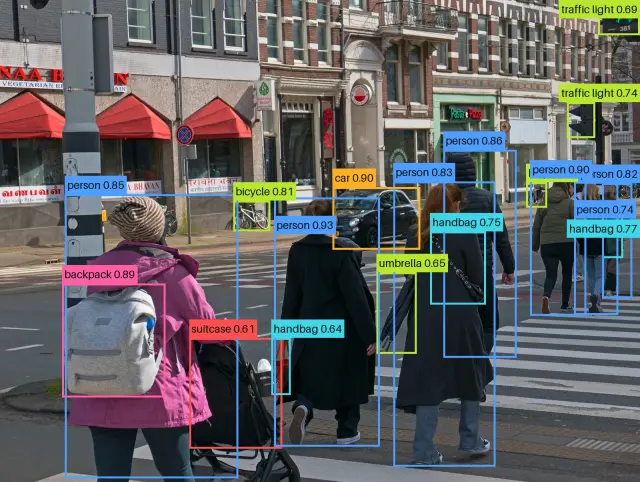 crossing-amsterdamFails: labels the stroller as a suitcase
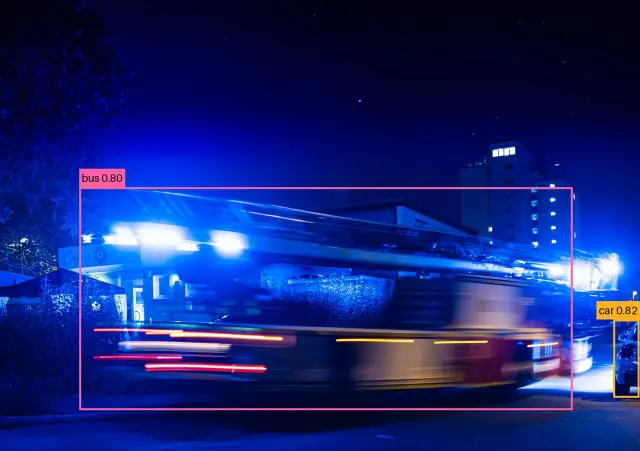 fire-engine-blurFails: labels the fire engine as a bus
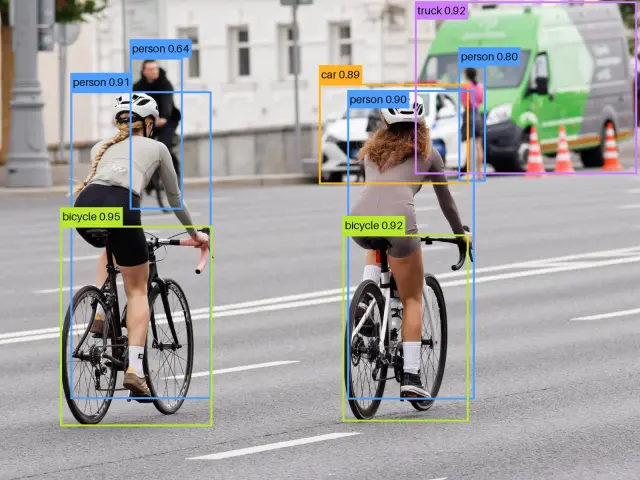 bike-parade-riders
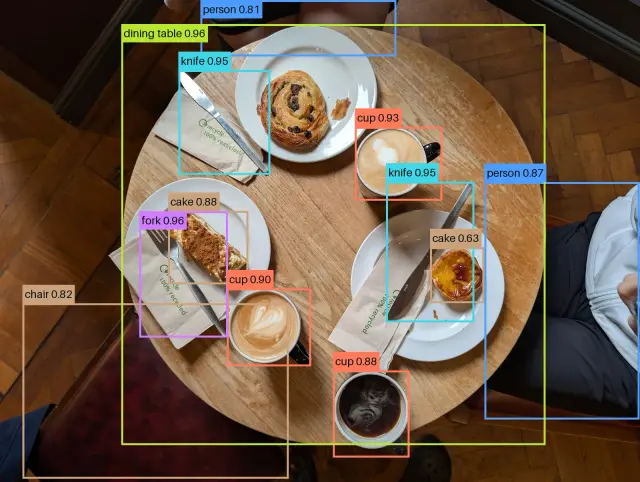 breakfast-top-down
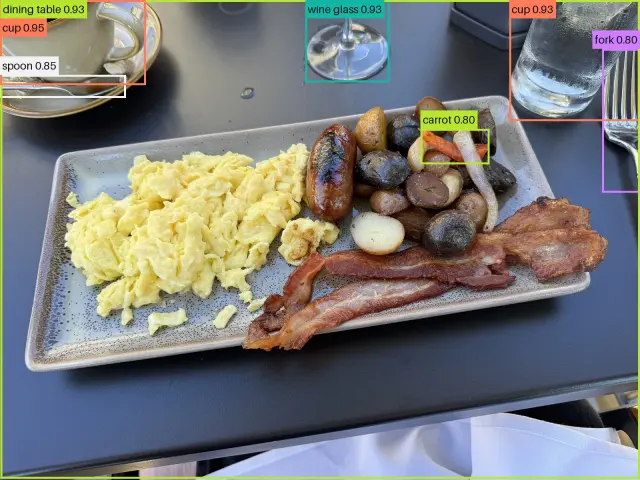 cafe-table-glasses
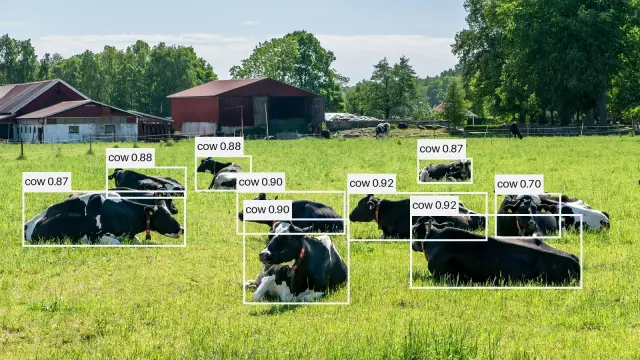 cows-pasture
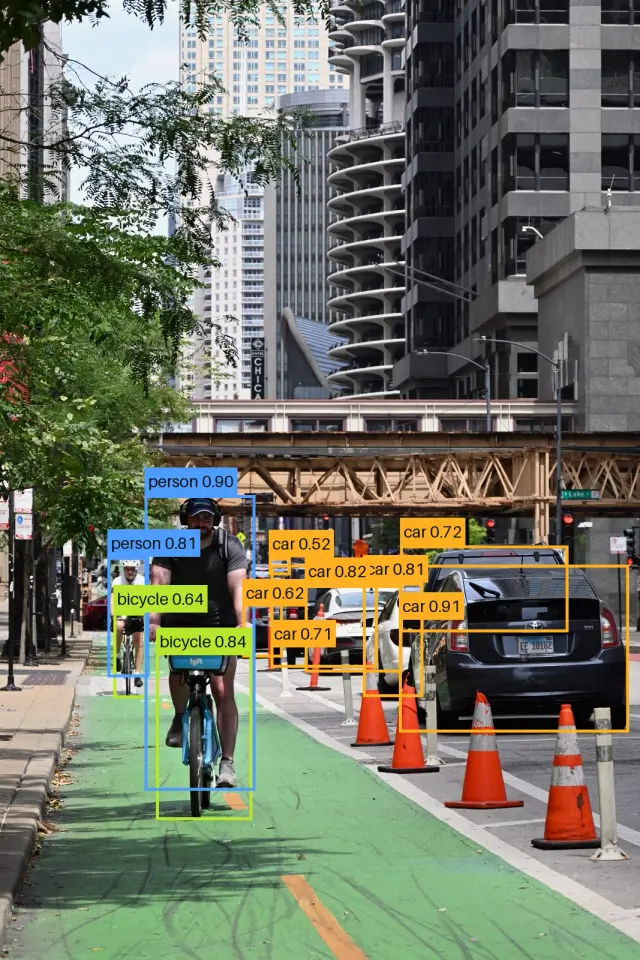 cyclist-bike-lane
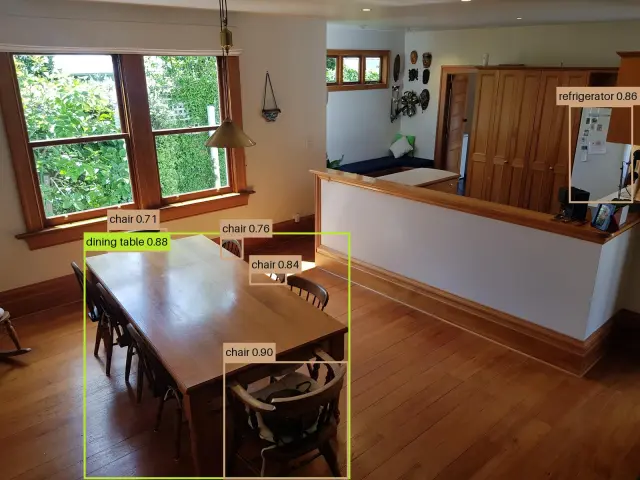 dining-room-kitchen
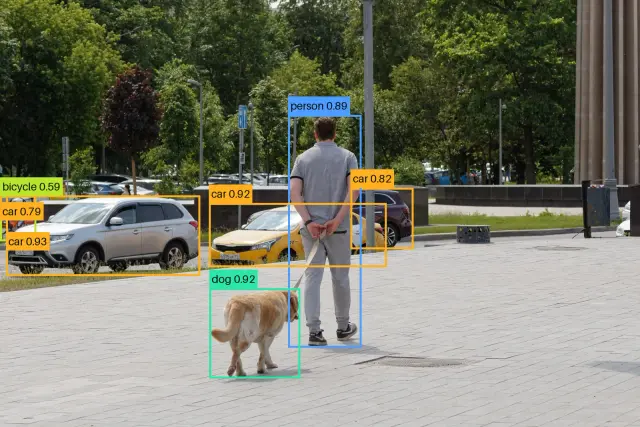 dog-walk-square
- drone-city-block
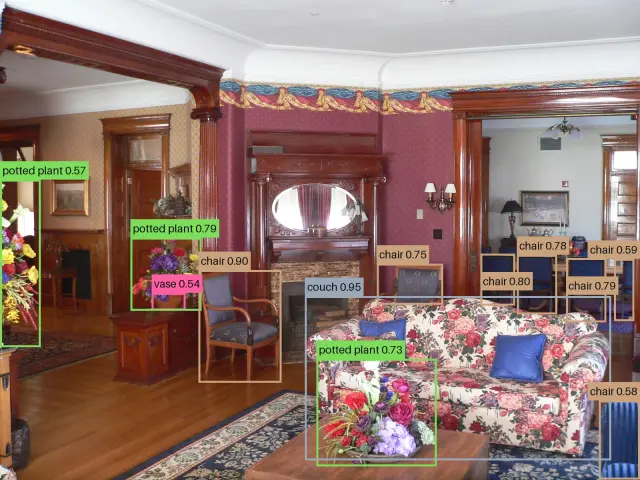 living-room-couch
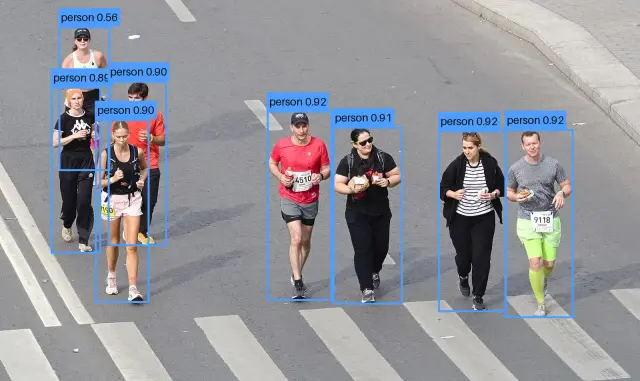 marathon-crossing
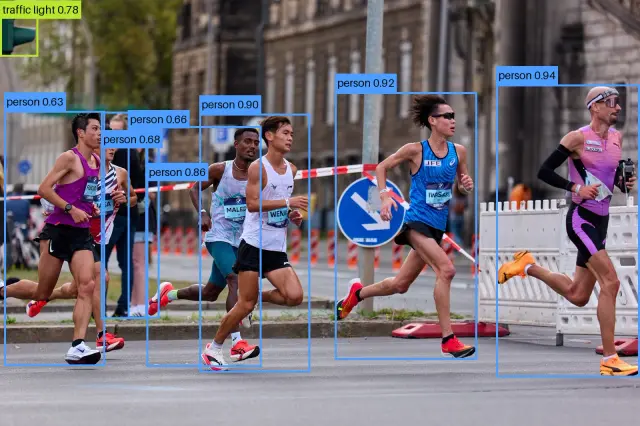 marathon-pack
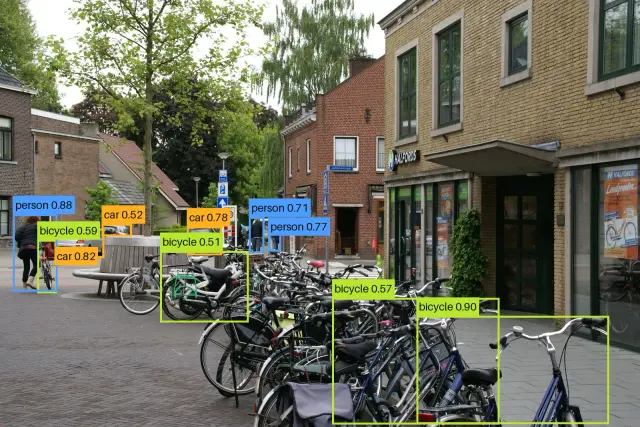 parked-bicycles
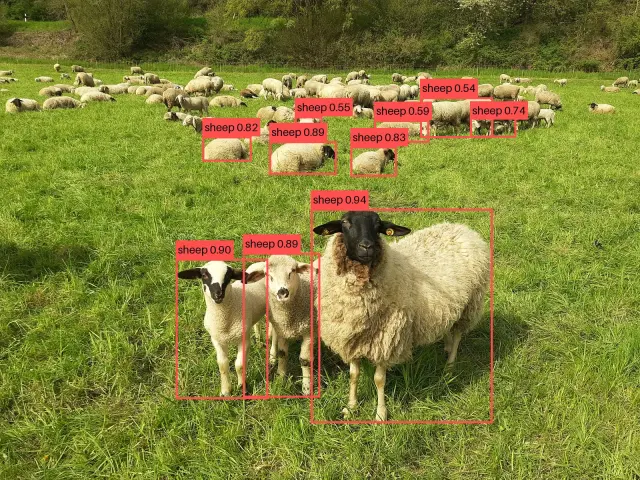 sheep-meadow-lambs
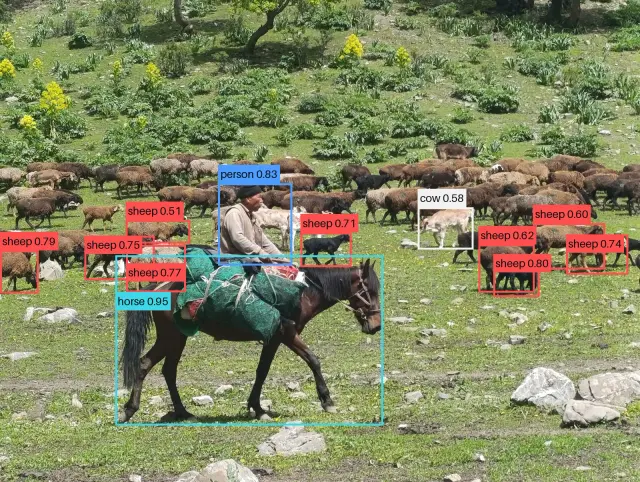 shepherd-sheep
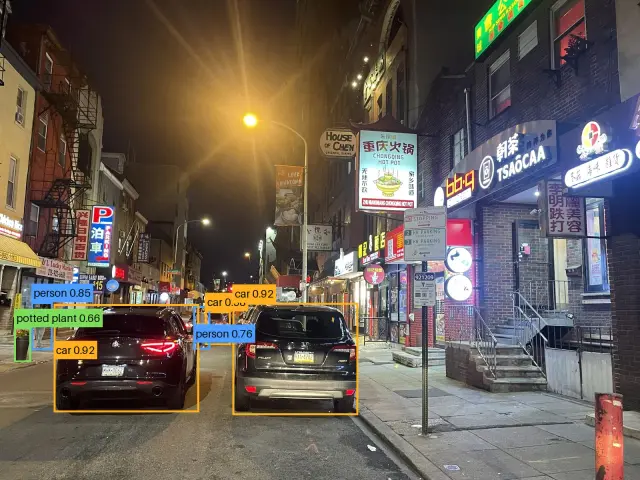 street-night-chinatown
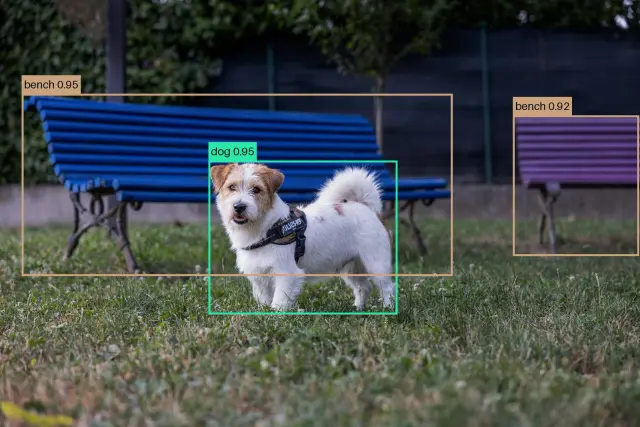 terrier-dog-park
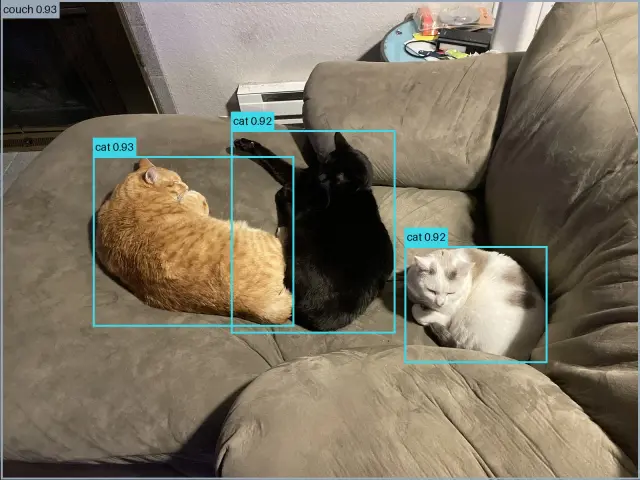 three-cats-couch
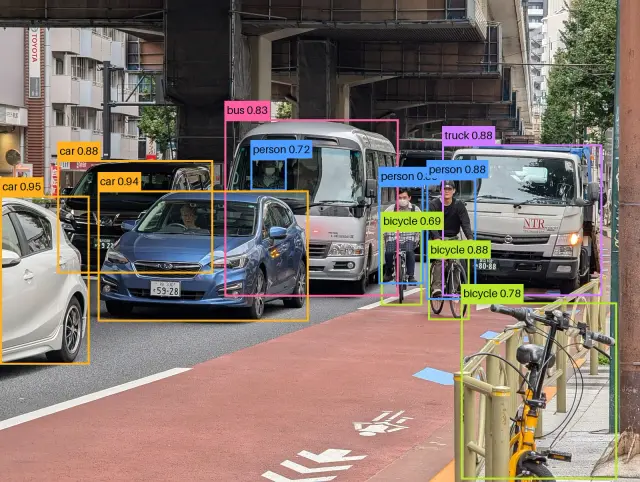 tokyo-street-cyclists
Use it when
You want YOLO12's attention-based design through Ultralytics' API and will deploy it on TensorRT, where its sizes ran 5.8 to 8.3 ms a call against 15 to 23 ms in PyTorch.
Avoid it when
You run it in PyTorch, or need a license without copyleft (AGPL-3.0): l and x took about 23 ms a call there, against 17 to 18 ms for YOLO26 l and x, which also scored higher at every size (x: 57.0 against 54.6 box AP).
Sizes
| Size | Latency | VRAM | Accuracy | Weights | Runs | License |
|---|---|---|---|---|---|---|
| n | 14.9 ms640x448 | 583 MiB | 40.3 box AP, measured40.6 COCO mAP50-95 paper | 5 MB | As is | Conditional |
| s | 15.3 ms640x448 | 620 MiB | 47.4 box AP, measured48 COCO mAP50-95 paper | 18 MB | As is | Conditional |
| m | 16.1 ms640x448 | 727 MiB | 51.9 box AP, measured52.5 COCO mAP50-95 paper | 39 MB | As is | Conditional |
| l | 22.7 ms640x448 | 777 MiB | 53.2 box AP, measured53.7 COCO mAP50-95 paper | 51 MB | As is | Conditional |
| x | 23.2 ms640x448 | 1.1 GiB | 54.6 box AP, measured55.2 COCO mAP50-95 paper | 114 MB | As is | Conditional |
Runtimes
Measured on our RTX 4090. Each row is our own measurement, timed under the same protocol and scored through that runtime. The TensorRT engine is built from the authors' own ONNX export of the released weights, with the settings their docs give. The card at the top and the charts use the PyTorch row.
| Runtime, size n | Latency (input under it) | VRAM peak | Accuracy (on that runtime) |
|---|---|---|---|
| PyTorchfp16 · torch 2.14.1+cu130 | 14.9 ms640x448 | 583 MiB | 40.3 box AP, fp16 |
| TensorRT10.16.1.11 · fp16 | 5.8 ms640x640 | 550 MiB | 40.6 box AP, fp16 |
How the TensorRT engine was made, 22 Nov 2026
TensorRT 10.16.1.11, runs as is. Exported with ultralytics YOLO.export format=engine quantize=16 imgsz=640 device=0, opset 18; ONNX sha256 82cbcafb7f25…. Engine sha256 28cf1f35a92e…, 8 MB, built in 238 s. Builder settings: api ultralytics==8.4.189, which builds with TensorRT's Python API, flags ["FP16"], other the package's own settings, input 1x3x640x640, static, workspace TensorRT's default. NVIDIA GeForce RTX 4090, driver 580.173.02, CUDA 13.0, torch 2.14.1+cu130, ultralytics==8.4.189. 10 warm-up + 100 timed, median of 3 runs. Scope: predict(): pre-processing, forward pass and post-processing; input file decoded beforehand.
| Runtime, size s | Latency (input under it) | VRAM peak | Accuracy (on that runtime) |
|---|---|---|---|
| PyTorchfp16 · torch 2.14.1+cu130 | 15.3 ms640x448 | 620 MiB | 47.4 box AP, fp16 |
| TensorRT10.16.1.11 · fp16 | 6.4 ms640x640 | 565 MiB | 47.5 box AP, fp16 |
How the TensorRT engine was made, 22 Nov 2026
TensorRT 10.16.1.11, runs as is. Exported with ultralytics YOLO.export format=engine quantize=16 imgsz=640 device=0, opset 18; ONNX sha256 068d7695b815…. Engine sha256 d7ed6c456b82…, 21 MB, built in 236 s. Builder settings: api ultralytics==8.4.189, which builds with TensorRT's Python API, flags ["FP16"], other the package's own settings, input 1x3x640x640, static, workspace TensorRT's default. NVIDIA GeForce RTX 4090, driver 580.173.02, CUDA 13.0, torch 2.14.1+cu130, ultralytics==8.4.189. 10 warm-up + 100 timed, median of 3 runs. Scope: predict(): pre-processing, forward pass and post-processing; input file decoded beforehand.
| Runtime, size m | Latency (input under it) | VRAM peak | Accuracy (on that runtime) |
|---|---|---|---|
| PyTorchfp16 · torch 2.14.1+cu130 | 16.1 ms640x448 | 727 MiB | 51.9 box AP, fp16 |
| TensorRT10.16.1.11 · fp16 | 6.6 ms640x640 | 612 MiB | 52.2 box AP, fp16 |
How the TensorRT engine was made, 22 Nov 2026
TensorRT 10.16.1.11, runs as is. Exported with ultralytics YOLO.export format=engine quantize=16 imgsz=640 device=0, opset 18; ONNX sha256 4dc6e84a1b89…. Engine sha256 5e8d8e2233c9…, 42 MB, built in 254 s. Builder settings: api ultralytics==8.4.189, which builds with TensorRT's Python API, flags ["FP16"], other the package's own settings, input 1x3x640x640, static, workspace TensorRT's default. NVIDIA GeForce RTX 4090, driver 580.173.02, CUDA 13.0, torch 2.14.1+cu130, ultralytics==8.4.189. 10 warm-up + 100 timed, median of 3 runs. Scope: predict(): pre-processing, forward pass and post-processing; input file decoded beforehand.
| Runtime, size l | Latency (input under it) | VRAM peak | Accuracy (on that runtime) |
|---|---|---|---|
| PyTorchfp16 · torch 2.14.1+cu130 | 22.7 ms640x448 | 777 MiB | 53.2 box AP, fp16 |
| TensorRT10.16.1.11 · fp16 | 7.4 ms640x640 | 630 MiB | 53.4 box AP, fp16 |
How the TensorRT engine was made, 23 Nov 2026
TensorRT 10.16.1.11, runs as is. Exported with ultralytics YOLO.export format=engine quantize=16 imgsz=640 device=0, opset 18; ONNX sha256 1c493235d66e…. Engine sha256 e2edab05eb02…, 55 MB, built in 288 s. Builder settings: api ultralytics==8.4.189, which builds with TensorRT's Python API, flags ["FP16"], other the package's own settings, input 1x3x640x640, static, workspace TensorRT's default. NVIDIA GeForce RTX 4090, driver 580.173.02, CUDA 13.0, torch 2.14.1+cu130, ultralytics==8.4.189. 10 warm-up + 100 timed, median of 3 runs. Scope: predict(): pre-processing, forward pass and post-processing; input file decoded beforehand.
| Runtime, size x | Latency (input under it) | VRAM peak | Accuracy (on that runtime) |
|---|---|---|---|
| PyTorchfp16 · torch 2.14.1+cu130 | 23.2 ms640x448 | 1.1 GiB | 54.6 box AP, fp16 |
| TensorRT10.16.1.11 · fp16 | 8.3 ms640x640 | 718 MiB | 54.9 box AP, fp16 |
How the TensorRT engine was made, 22 Nov 2026
TensorRT 10.16.1.11, runs as is. Exported with ultralytics YOLO.export format=engine quantize=16 imgsz=640 device=0, opset 18; ONNX sha256 124569e53cd9…. Engine sha256 ccc07dfb2a63…, 118 MB, built in 301 s. Builder settings: api ultralytics==8.4.189, which builds with TensorRT's Python API, flags ["FP16"], other the package's own settings, input 1x3x640x640, static, workspace TensorRT's default. NVIDIA GeForce RTX 4090, driver 580.173.02, CUDA 13.0, torch 2.14.1+cu130, ultralytics==8.4.189. 10 warm-up + 100 timed, median of 3 runs. Scope: predict(): pre-processing, forward pass and post-processing; input file decoded beforehand.
Estimated on other GPUs
Estimate, not measured. Worked out from our RTX 4090 run and NVIDIA's spec sheets. Each kind of GPU work is scaled by that GPU's peak for it: tensor cores at the precision the kernels used, CUDA cores, or memory bandwidth. The CPU's part of each call is kept at what it took on our Intel Core i7-10700K. How we estimate
Where a call's time goes on our RTX 4090: CPU and kernel launches 91%, memory-bound 6%, tensor cores, FP16 (FP32 accumulate) 3%.
GeForce (13)
| GPU | Fits | Latency |
|---|---|---|
| GeForce RTX 5090Blackwell, 32 GB GDDR7 | Yes | ≈ 14–15 ms |
| GeForce RTX 5080Blackwell, 16 GB GDDR7 | Yes | ≈ 15 ms |
| GeForce RTX 5070 TiBlackwell, 16 GB GDDR7 | Yes | ≈ 15 ms |
| GeForce RTX 5070Blackwell, 12 GB GDDR7 | Yes | ≈ 15–16 ms |
| GeForce RTX 5060 Ti 16GBBlackwell, 16 GB GDDR7 | Yes | ≈ 15–17 ms |
| GeForce RTX 5060Blackwell, 8 GB GDDR7 | Yes | ≈ 16–17 ms |
| GeForce RTX 4080Ada Lovelace, 16 GB GDDR6X | Yes | ≈ 15–16 ms |
| GeForce RTX 4070 TiAda Lovelace, 12 GB GDDR6X | Yes | ≈ 15–16 ms |
| GeForce RTX 4070Ada Lovelace, 12 GB GDDR6X | Yes | ≈ 15–17 ms |
| GeForce RTX 3090Ampere, 24 GB GDDR6X | Yes | ≈ 15–16 ms |
| GeForce RTX 3080Ampere, 10 GB GDDR6X | Yes | ≈ 15–16 ms |
| GeForce RTX 3070 TiAmpere, 8 GB GDDR6X | Yes | ≈ 15–17 ms |
| GeForce RTX 3070Ampere, 8 GB GDDR6 | Yes | ≈ 15–17 ms |
Workstation (4)
| GPU | Fits | Latency |
|---|---|---|
| RTX PRO 6000 Blackwell Workstation EditionBlackwell, 96 GB GDDR7 | Yes | ≈ 14–15 ms |
| RTX PRO 6000 Blackwell Max-Q Workstation EditionBlackwell, 96 GB GDDR7 | Yes | ≈ 14–15 ms |
| RTX 6000 Ada GenerationAda Lovelace, 48 GB GDDR6 | Yes | ≈ 15 ms |
| RTX A6000Ampere, 48 GB GDDR6 | Yes | ≈ 15 ms |
Data center (6)
| GPU | Fits | Latency |
|---|---|---|
| B200 (HGX, one GPU)Blackwell, 180 GB HBM3E | Yes | ≈ 14–15 ms |
| H200 SXMHopper, 141 GB HBM3e | Yes | ≈ 14–15 ms |
| H100 SXMHopper, 80 GB HBM3 | Yes | ≈ 14–15 ms |
| A100 SXM 80GBAmpere, 80 GB HBM2e | Yes | ≈ 14–15 ms |
| L40SAda Lovelace, 48 GB GDDR6 | Yes | ≈ 15 ms |
| L4Ada Lovelace, 24 GB GDDR6 | Yes | ≈ 15–17 ms |
Where a call's time goes on our RTX 4090: CPU and kernel launches 89%, memory-bound 7%, tensor cores, FP16 (FP32 accumulate) 4%.
GeForce (13)
| GPU | Fits | Latency |
|---|---|---|
| GeForce RTX 5090Blackwell, 32 GB GDDR7 | Yes | ≈ 15 ms |
| GeForce RTX 5080Blackwell, 16 GB GDDR7 | Yes | ≈ 15–16 ms |
| GeForce RTX 5070 TiBlackwell, 16 GB GDDR7 | Yes | ≈ 16 ms |
| GeForce RTX 5070Blackwell, 12 GB GDDR7 | Yes | ≈ 16–17 ms |
| GeForce RTX 5060 Ti 16GBBlackwell, 16 GB GDDR7 | Yes | ≈ 16–18 ms |
| GeForce RTX 5060Blackwell, 8 GB GDDR7 | Yes | ≈ 16–19 ms |
| GeForce RTX 4080Ada Lovelace, 16 GB GDDR6X | Yes | ≈ 16 ms |
| GeForce RTX 4070 TiAda Lovelace, 12 GB GDDR6X | Yes | ≈ 16–17 ms |
| GeForce RTX 4070Ada Lovelace, 12 GB GDDR6X | Yes | ≈ 16–17 ms |
| GeForce RTX 3090Ampere, 24 GB GDDR6X | Yes | ≈ 16 ms |
| GeForce RTX 3080Ampere, 10 GB GDDR6X | Yes | ≈ 16–17 ms |
| GeForce RTX 3070 TiAmpere, 8 GB GDDR6X | Yes | ≈ 16–18 ms |
| GeForce RTX 3070Ampere, 8 GB GDDR6 | Yes | ≈ 16–18 ms |
Workstation (4)
| GPU | Fits | Latency |
|---|---|---|
| RTX PRO 6000 Blackwell Workstation EditionBlackwell, 96 GB GDDR7 | Yes | ≈ 14–15 ms |
| RTX PRO 6000 Blackwell Max-Q Workstation EditionBlackwell, 96 GB GDDR7 | Yes | ≈ 14–15 ms |
| RTX 6000 Ada GenerationAda Lovelace, 48 GB GDDR6 | Yes | ≈ 15 ms |
| RTX A6000Ampere, 48 GB GDDR6 | Yes | ≈ 15–16 ms |
Data center (6)
| GPU | Fits | Latency |
|---|---|---|
| B200 (HGX, one GPU)Blackwell, 180 GB HBM3E | Yes | ≈ 14–15 ms |
| H200 SXMHopper, 141 GB HBM3e | Yes | ≈ 14–15 ms |
| H100 SXMHopper, 80 GB HBM3 | Yes | ≈ 14–15 ms |
| A100 SXM 80GBAmpere, 80 GB HBM2e | Yes | ≈ 15 ms |
| L40SAda Lovelace, 48 GB GDDR6 | Yes | ≈ 15 ms |
| L4Ada Lovelace, 24 GB GDDR6 | Yes | ≈ 15–18 ms |
Where a call's time goes on our RTX 4090: CPU and kernel launches 85%, memory-bound 8%, tensor cores, FP16 (FP32 accumulate) 7%.
GeForce (13)
| GPU | Fits | Latency |
|---|---|---|
| GeForce RTX 5090Blackwell, 32 GB GDDR7 | Yes | ≈ 15–16 ms |
| GeForce RTX 5080Blackwell, 16 GB GDDR7 | Yes | ≈ 16–17 ms |
| GeForce RTX 5070 TiBlackwell, 16 GB GDDR7 | Yes | ≈ 17 ms |
| GeForce RTX 5070Blackwell, 12 GB GDDR7 | Yes | ≈ 17–19 ms |
| GeForce RTX 5060 Ti 16GBBlackwell, 16 GB GDDR7 | Yes | ≈ 18–20 ms |
| GeForce RTX 5060Blackwell, 8 GB GDDR7 | Yes | ≈ 18–21 ms |
| GeForce RTX 4080Ada Lovelace, 16 GB GDDR6X | Yes | ≈ 17 ms |
| GeForce RTX 4070 TiAda Lovelace, 12 GB GDDR6X | Yes | ≈ 17–19 ms |
| GeForce RTX 4070Ada Lovelace, 12 GB GDDR6X | Yes | ≈ 17–19 ms |
| GeForce RTX 3090Ampere, 24 GB GDDR6X | Yes | ≈ 17–18 ms |
| GeForce RTX 3080Ampere, 10 GB GDDR6X | Yes | ≈ 17–18 ms |
| GeForce RTX 3070 TiAmpere, 8 GB GDDR6X | Yes | ≈ 18–20 ms |
| GeForce RTX 3070Ampere, 8 GB GDDR6 | Yes | ≈ 18–21 ms |
Workstation (4)
| GPU | Fits | Latency |
|---|---|---|
| RTX PRO 6000 Blackwell Workstation EditionBlackwell, 96 GB GDDR7 | Yes | ≈ 15–16 ms |
| RTX PRO 6000 Blackwell Max-Q Workstation EditionBlackwell, 96 GB GDDR7 | Yes | ≈ 15–16 ms |
| RTX 6000 Ada GenerationAda Lovelace, 48 GB GDDR6 | Yes | ≈ 16 ms |
| RTX A6000Ampere, 48 GB GDDR6 | Yes | ≈ 16–17 ms |
Data center (6)
| GPU | Fits | Latency |
|---|---|---|
| B200 (HGX, one GPU)Blackwell, 180 GB HBM3E | Yes | ≈ 14–15 ms |
| H200 SXMHopper, 141 GB HBM3e | Yes | ≈ 14–15 ms |
| H100 SXMHopper, 80 GB HBM3 | Yes | ≈ 14–15 ms |
| A100 SXM 80GBAmpere, 80 GB HBM2e | Yes | ≈ 15–16 ms |
| L40SAda Lovelace, 48 GB GDDR6 | Yes | ≈ 16 ms |
| L4Ada Lovelace, 24 GB GDDR6 | Yes | ≈ 16–20 ms |
Where a call's time goes on our RTX 4090: CPU and kernel launches 84%, memory-bound 9%, tensor cores, FP16 (FP32 accumulate) 7%.
GeForce (13)
| GPU | Fits | Latency |
|---|---|---|
| GeForce RTX 5090Blackwell, 32 GB GDDR7 | Yes | ≈ 21–22 ms |
| GeForce RTX 5080Blackwell, 16 GB GDDR7 | Yes | ≈ 23–24 ms |
| GeForce RTX 5070 TiBlackwell, 16 GB GDDR7 | Yes | ≈ 23–24 ms |
| GeForce RTX 5070Blackwell, 12 GB GDDR7 | Yes | ≈ 24–26 ms |
| GeForce RTX 5060 Ti 16GBBlackwell, 16 GB GDDR7 | Yes | ≈ 25–29 ms |
| GeForce RTX 5060Blackwell, 8 GB GDDR7 | Yes | ≈ 26–30 ms |
| GeForce RTX 4080Ada Lovelace, 16 GB GDDR6X | Yes | ≈ 23–25 ms |
| GeForce RTX 4070 TiAda Lovelace, 12 GB GDDR6X | Yes | ≈ 24–26 ms |
| GeForce RTX 4070Ada Lovelace, 12 GB GDDR6X | Yes | ≈ 24–28 ms |
| GeForce RTX 3090Ampere, 24 GB GDDR6X | Yes | ≈ 24–25 ms |
| GeForce RTX 3080Ampere, 10 GB GDDR6X | Yes | ≈ 24–26 ms |
| GeForce RTX 3070 TiAmpere, 8 GB GDDR6X | Yes | ≈ 25–28 ms |
| GeForce RTX 3070Ampere, 8 GB GDDR6 | Yes | ≈ 26–30 ms |
Workstation (4)
| GPU | Fits | Latency |
|---|---|---|
| RTX PRO 6000 Blackwell Workstation EditionBlackwell, 96 GB GDDR7 | Yes | ≈ 21–22 ms |
| RTX PRO 6000 Blackwell Max-Q Workstation EditionBlackwell, 96 GB GDDR7 | Yes | ≈ 21–22 ms |
| RTX 6000 Ada GenerationAda Lovelace, 48 GB GDDR6 | Yes | ≈ 22 ms |
| RTX A6000Ampere, 48 GB GDDR6 | Yes | ≈ 23 ms |
Data center (6)
| GPU | Fits | Latency |
|---|---|---|
| B200 (HGX, one GPU)Blackwell, 180 GB HBM3E | Yes | ≈ 19–22 ms |
| H200 SXMHopper, 141 GB HBM3e | Yes | ≈ 20–22 ms |
| H100 SXMHopper, 80 GB HBM3 | Yes | ≈ 20–22 ms |
| A100 SXM 80GBAmpere, 80 GB HBM2e | Yes | ≈ 21–22 ms |
| L40SAda Lovelace, 48 GB GDDR6 | Yes | ≈ 22 ms |
| L4Ada Lovelace, 24 GB GDDR6 | Yes | ≈ 23–28 ms |
Where a call's time goes on our RTX 4090: CPU and kernel launches 79%, tensor cores, FP16 (FP32 accumulate) 10%, memory-bound 10%.
GeForce (13)
| GPU | Fits | Latency |
|---|---|---|
| GeForce RTX 5090Blackwell, 32 GB GDDR7 | Yes | ≈ 22–23 ms |
| GeForce RTX 5080Blackwell, 16 GB GDDR7 | Yes | ≈ 24 ms |
| GeForce RTX 5070 TiBlackwell, 16 GB GDDR7 | Yes | ≈ 24–26 ms |
| GeForce RTX 5070Blackwell, 12 GB GDDR7 | Yes | ≈ 26–28 ms |
| GeForce RTX 5060 Ti 16GBBlackwell, 16 GB GDDR7 | Yes | ≈ 27–32 ms |
| GeForce RTX 5060Blackwell, 8 GB GDDR7 | Yes | ≈ 28–34 ms |
| GeForce RTX 4080Ada Lovelace, 16 GB GDDR6X | Yes | ≈ 24–26 ms |
| GeForce RTX 4070 TiAda Lovelace, 12 GB GDDR6X | Yes | ≈ 25–28 ms |
| GeForce RTX 4070Ada Lovelace, 12 GB GDDR6X | Yes | ≈ 26–30 ms |
| GeForce RTX 3090Ampere, 24 GB GDDR6X | Yes | ≈ 25–27 ms |
| GeForce RTX 3080Ampere, 10 GB GDDR6X | Yes | ≈ 26–28 ms |
| GeForce RTX 3070 TiAmpere, 8 GB GDDR6X | Yes | ≈ 27–32 ms |
| GeForce RTX 3070Ampere, 8 GB GDDR6 | Yes | ≈ 28–34 ms |
Workstation (4)
| GPU | Fits | Latency |
|---|---|---|
| RTX PRO 6000 Blackwell Workstation EditionBlackwell, 96 GB GDDR7 | Yes | ≈ 21–22 ms |
| RTX PRO 6000 Blackwell Max-Q Workstation EditionBlackwell, 96 GB GDDR7 | Yes | ≈ 21–22 ms |
| RTX 6000 Ada GenerationAda Lovelace, 48 GB GDDR6 | Yes | ≈ 22 ms |
| RTX A6000Ampere, 48 GB GDDR6 | Yes | ≈ 23–24 ms |
Data center (6)
| GPU | Fits | Latency |
|---|---|---|
| B200 (HGX, one GPU)Blackwell, 180 GB HBM3E | Yes | ≈ 19–22 ms |
| H200 SXMHopper, 141 GB HBM3e | Yes | ≈ 19–22 ms |
| H100 SXMHopper, 80 GB HBM3 | Yes | ≈ 20–22 ms |
| A100 SXM 80GBAmpere, 80 GB HBM2e | Yes | ≈ 21–22 ms |
| L40SAda Lovelace, 48 GB GDDR6 | Yes | ≈ 22 ms |
| L4Ada Lovelace, 24 GB GDDR6 | Yes | ≈ 24–30 ms |
CPU only
Measured by us with no GPU on an Intel(R) Core(TM) i7-10700K CPU @ 3.80GHz, 8 cores, 94.2 GiB of memory: the same official code with the GPU hidden, in fp32 on 8 threads. Before it was timed, its output on the timing input was checked against the GPU's. These numbers say what to expect without a GPU. They aren't compared with any GPU's, here or in the charts. How we measure on a CPU
| Size | Runtime | Latency on the CPU | RAM peak |
|---|---|---|---|
| n | PyTorch2.14.1 · fp32 · 8 threads | 35.6 ms640x448 | 820 MiB |
| n | ONNX Runtime1.31.1 · fp32 · 8 threads | 36.4 ms640x640 | 861 MiB |
| s | PyTorch2.14.1 · fp32 · 8 threads | 67.5 ms640x448 | 876 MiB |
| s | ONNX Runtime1.31.1 · fp32 · 8 threads | 72.6 ms640x640 | 960 MiB |
| m | PyTorch2.14.1 · fp32 · 8 threads | 154 ms640x448 | 1023 MiB |
| m | ONNX Runtime1.31.1 · fp32 · 8 threads | 173 ms640x640 | 1.1 GiB |
| l | PyTorch2.14.1 · fp32 · 8 threads | 215 ms640x448 | 1.1 GiB |
| l | ONNX Runtime1.31.1 · fp32 · 8 threads | 242 ms640x640 | 1.2 GiB |
| x | PyTorch2.14.1 · fp32 · 8 threads | 361 ms640x448 | 1.3 GiB |
| x | ONNX Runtime1.31.1 · fp32 · 8 threads | 467 ms640x640 | 1.6 GiB |
ONNX Runtime rows run the authors' own ONNX export with their own ONNX Runtime code, whose pre-processing may differ from the PyTorch code's, so their input can differ too.

Alternatives
Changes
First published . Every model's changes
Badge for a README
It says the model ran on our RTX 4090 and links to this page. It carries no number, so it never goes out of date.

[](https://modelsthatrun.dev/models/yolo12/)Something wrong on this page, such as a license or a number? Email us.